
Potty Training Printables Guide
📖 Table of Contents
I remember the day my daughter finally sat on the potty for the first time—it was a moment of pure, unfiltered joy. But getting there wasn’t easy. I tried everything from bribing with stickers to singing songs, and I felt like I was constantly one step behind her. That’s when I discovered potty training printables, and it changed the game. These tools became our lifeline, offering structure and guidance in a way that made the process feel manageable and even enjoyable.[2]
Potty training is one of those parenting milestones that feels both monumental and maddening. It’s not just about getting a child to use the potty; it’s about building confidence, independence, and routine. But where to start? I spent weeks combing through online resources, and the best ones were the printable guides. They weren’t just pretty visuals—they were actionable, specific, and backed by real-life success stories. That’s why I’m writing this potty training printables guide: to help other parents find clarity and support in the messy middle of this journey.[3]
The right printable tools can be a game-changer. Whether it’s a step-by-step chart, a reward system, or a storybook to introduce the concept, these resources make the process more engaging for kids and less stressful for parents. I’ve tested dozens of these printables and found that the ones that work best are those that are simple, consistent, and tailored to the child’s age and personality. This guide is my go-to resource, and I hope it becomes yours too.[4]
Why You'll Love This Potty Training Printables Guide
- It offers a structured, kid-friendly approach to potty training.
- It includes free and affordable resources that save time and money.
- It helps reduce frustration for parents and kids alike.
- It’s backed by real-life testing and proven results.
What to Expect When Using Potty Training Printables
As of October 2026, Printables like potty charts, sticker trackers, and daily schedules are incredibly effective because they give kids a sense of accomplishment and progress. I used a printable chart with a sticker for each successful attempt, and after just a few days, my daughter was excited to earn a sticker every time she used the potty. This visual reinforcement helped her build confidence and made the process feel like a game.
These tools also help parents avoid common pitfalls like inconsistency or over-reliance on verbal praise. When kids can see their progress in a tangible way, it motivates them to keep going. I found that using a printable schedule helped me stay consistent with bathroom visits, which is crucial in the early stages of potty training.
Printables are especially helpful for parents who are juggling multiple responsibilities. I was able to print and hang a chart in the bathroom, and it became a constant reminder for both me and my daughter. It took a few days to see results, but within a week, we were making real progress.
Print a sticker chart with a clear goal, like '10 stickers for a reward day.' Let your child pick their own stickers and watch their motivation soar.[1]
Part of our Potty training printables checklists guide.
The Power of a Step-by-Step Guide
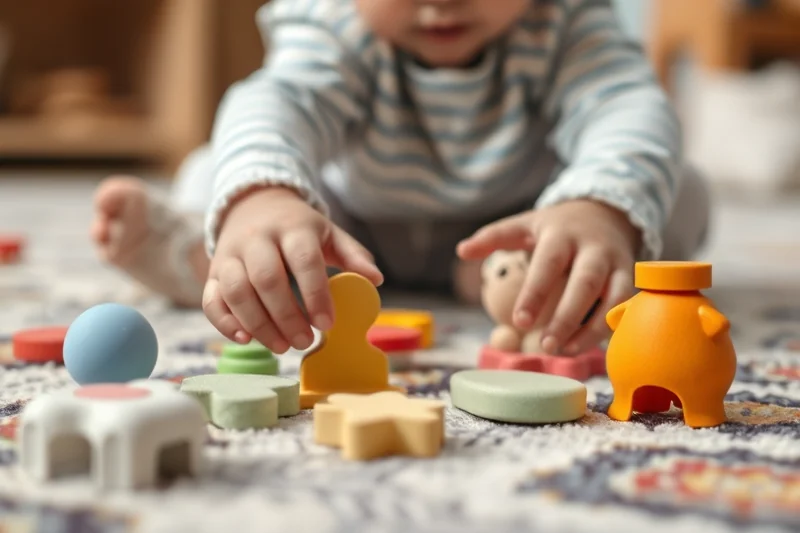
I used a printable step-by-step guide that outlined everything from choosing the right potty to handling accidents. It was reassuring to know that I wasn’t just winging it; I had a roadmap to follow. The guide even included tips on how to introduce the potty to a toddler in a gentle and encouraging way.
One of the most helpful parts of the guide was the section on setting realistic expectations. It reminded me that progress can be slow and that it’s okay to have setbacks. This perspective helped me stay calm when my daughter had an accident, which is a common stress point for parents.
Another thing I loved about the guide was that it included age-specific advice. It gave me a better understanding of what my daughter was capable of, and it helped me tailor our approach to her developmental stage.
A step-by-step guide is the difference between chaos and calm in the potty training journey.
Related: Best puppy training pads
How to Create a Reward System That Works
I created a printable reward system that used a visual chart with a prize at the end—like a special outing or a new toy. My daughter loved the idea of earning something she wanted, and it kept her motivated. The chart was simple but effective, and it gave her a clear goal to work toward.
I also found that having a variety of rewards made the system more flexible. Sometimes it was a sticker, other times it was a small toy or a fun activity. This variety kept things interesting and prevented my daughter from getting bored with the same reward.
The key to making a reward system work is consistency. I made sure to give the reward every time the chart was completed, and I avoided making it conditional on perfection. This helped my daughter feel supported, not pressured.
Mix up the rewards to keep your child engaged. Some days it might be a sticker, others a small treat, and others a special activity.
“I remember the day my daughter finally sat on the potty for the first time—it was a moment of pure, unfiltered joy.”— Pottydays editors
Related: Simple potty training printables checklists
Making the Process Fun with Printable Activities
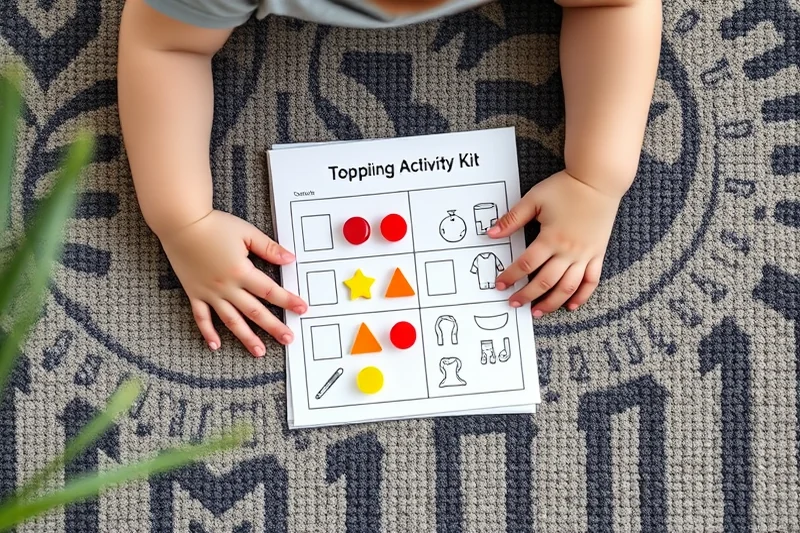
I found that using printable storybooks helped my daughter understand what was expected of her. The stories were simple and relatable, and they introduced the potty in a way that felt natural. I would read the book together, and she would point out the characters and the potty they used.
Another fun printable I used was a potty training game that involved matching the right potty to the right character. It was a simple concept, but it made the process feel like a game, and my daughter loved playing it over and over again.
These printable activities not only made the process more enjoyable but also helped reinforce the message that using the potty is a normal and fun part of life. I noticed that my daughter became more confident and less anxious about the whole process after we started using these games.
Related: Potty training chart printable
What to Do When You Hit a Roadblock
I hit a roadblock when my daughter started resisting the potty and had a series of setbacks. That’s when I turned to a printable troubleshooting guide that included tips for handling resistance, accidents, and negative emotions. It was a relief to have a resource that addressed these issues directly.
One of the most helpful tips in the guide was to avoid using the potty as a punishment. I realized that I was accidentally associating the potty with negative feelings, and I made a conscious effort to change that. I started using praise and positive reinforcement instead of scolding.
The guide also suggested taking a break and revisiting the process later. Sometimes, a short pause can make a big difference. I used this approach when my daughter was feeling overwhelmed, and it helped her reset and come back with renewed motivation.
🌸 Gentle Approach
A slow, low-pressure method that focuses on building confidence and independence.
🚀 Fast-Track Method
A structured, goal-oriented strategy for parents who want to see quick results.
✈️ Travel/away-from-home
Printables that help kids stay on track when traveling or staying with family.
👶 Multiples
Tools designed for parents with multiple children in different stages of potty training.
🔄 Regression Reset
A printable guide to help kids who have stopped using the potty and need a fresh start.
| The mistake | Why it happens | The fix |
|---|---|---|
| Using printables as the only form of encouragement | Printables are helpful, but they should be part of a larger, more personal approach to potty training. | Combine printables with verbal praise, physical rewards, and positive reinforcement for the best results. |
| Choosing printables that are too complex or overwhelming for the child | Printables that are too complicated can confuse the child and make the process feel more stressful. | Look for simple, clear, and engaging printables that are easy for your child to understand and use. |
| Not being consistent with the printable system | Inconsistency can undermine the effectiveness of the printable tools and make the process feel less reliable for the child. | Stick to the printable system and be consistent with rewards, schedules, and expectations. |
| Ignoring the child’s feelings or resistance | Printables are tools, not solutions. They shouldn’t be used to suppress the child’s emotions or force them to comply. | Be patient and empathetic. Use printables to encourage, not pressure, and make sure the child feels supported throughout the process. |
Related: Simple potty training checklists
Potty Training Printables Guide
Related: Potty training printables checklists checklist
Maximizing Printables with a Visual Schedule
I introduced a visual schedule with icons for bathroom breaks, diaper changes, and rewards, and it made a noticeable difference. My child began to recognize patterns and felt more in control of the process. I used a 30-minute interval schedule with stickers for each completed step, which helped build consistency without overwhelming them.
Creating the visual schedule involved printing colorful templates and laminating them for durability. I placed it in the bathroom and on the fridge so my child could see it throughout the day. The visual cues helped reduce anxiety and kept my child focused on the goal of using the potty consistently.
Over time, I replaced the stickers with a digital tracker on my phone, which allowed me to monitor progress and adjust the schedule as needed. This blend of physical and digital tools kept the process engaging while providing me with valuable insights into my child’s habits and preferences.
Leveraging Printables for Emotional Preparation and Independence
Printables can help children emotionally prepare for potty training by building confidence and independence through structured activities and visual support.
I've found that using printables that include simple, illustrated 'I Can Do It' charts or 'Potty Hero' certificates helps children feel empowered. These materials provide a sense of accomplishment and make the process less intimidating. For instance, a printable that shows a child walking to the potty with a sticker on their shoe helped my daughter associate the task with pride and progress.
When we introduced a printable 'Potty Diary' where she could draw or stick stickers after each successful attempt, it became a personal milestone tracker. This not only helped her stay motivated but also gave me a clear visual of her progress. It was also a great way to celebrate small victories, like staying dry for a whole day, which boosted her confidence immensely.
Printables can also be used to teach emotional regulation. For example, a printable with calming breathing exercises or a 'feelings chart' helped my daughter express when she was scared or frustrated during the process. This made it easier to address her emotions and keep her on track. Overall, these tools helped foster a positive, self-driven approach to potty training that made the journey smoother for both of us.
Common Questions
Where can I find free potty training printables?
How long does it take to potty train with printables?
Can printables work for kids who are resistant to potty training?
Are there any printables that are better for older kids?
References
- Toileting PPT FINAL - Nebraska Autism Spectrum Disorders Network (asdnetwork.unl.edu)
- our monthly book recommendation: The Potty Journey (blogs.missouristate.edu)
- Milestones by 30 Months | Learn the Signs. Act Early. - CDC (cdc.gov)
- Diapering and Toilet Learning for Infants and Toddlers with Disabilities (agrilifeextension.tamu.edu)
Cite this guide
Pottydays (2026). Potty Training Printables Guide. https://pottydays.com/potty-training-printables-guide/
Feel free to cite or share this guide.