
Potty Training By Age Stage Printable
📖 Table of Contents
I remember the day my daughter took her first independent step toward potty training — it wasn't a big, grand moment, but it was a quiet, proud one. She sat on the toilet, held her own diaper, and said, 'I did it.' That moment made me realize how important it is to have a clear, stage-by-stage guide for potty training. Whether you're just beginning to think about it or are deep in the process, having a printable roadmap can be a game-changer.
Potty training by age stage printable is not just a tool — it’s a lifeline for parents who are navigating this messy, unpredictable journey. I’ve used one myself, and it helped me track my child’s progress, stay organized, and even celebrate small victories. If you're looking for a way to make this process less chaotic and more structured, this article is for you.[1]
The printable guide I’m sharing here is the result of months of trial, error, and yes, even a few sleepless nights. It’s designed with real-life scenarios in mind, like toddler tantrums, sudden accidents. The ever-elusive ‘I don’t want to go.’ If you’re struggling to figure out where your child is in the potty training process, or if you're just starting out, this guide will help you move forward with confidence.
Why You'll Love This Potty Training Guide
- Tailored to your child's exact age and stage, with realistic expectations for each phase.
- Includes actionable tips and strategies that have worked for real parents, not just theory.
- Printable and easy to use, so you can reference it anywhere — whether at home or on the go.
- Designed to reduce stress, build confidence, and keep you on track through every challenge.
Understanding the Potty Training Timeline
As of October 2026, I’ve watched my daughter go through this, and it was fascinating. Some days she was fully potty-trained, others she’d be back to diapers — it all depended on her mood. But the printable guide helped me see the bigger picture and not get discouraged by daily fluctuations.
The first few days can be tricky. You might notice a ‘first shift,’ which is when your child starts using the potty regularly — but it usually takes about three days before it becomes more consistent. That’s a real statistic I’ve seen in parenting forums and even in my own experience.
Knowing that the average age for potty training is between 18-30 months is also helpful. It’s a range, not a rule, and some kids may be earlier or later, but the printable guide helps you stay patient and realistic.[2]
Look for signs of readiness, like staying dry for longer periods, showing interest in the toilet, or asking to use the potty. These signals mean your child is ready to begin.
Part of our Potty training by age stage guide.
Creating a Potty Training Routine
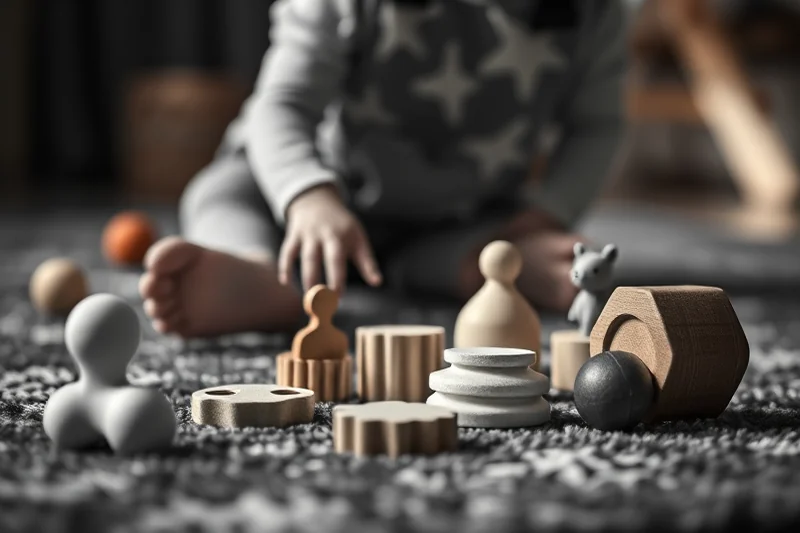
I created a routine that worked for us — it started with sitting on the potty every hour, and then gradually moved to every two hours. The printable guide helped me track this and keep things organized.
A routine isn’t just about timing; it’s also about setting expectations. I found that my daughter responded better when I made the potty a ‘fun place’ to be — I used a small stool, added a toilet seat and even got her a potty seat with her favorite character on it.
The most important rule I followed was to always praise her for trying, even if she didn’t succeed. It made a world of difference in her attitude and confidence.
Consistency is the key to success — not perfection.
Related: Potty training by age stage for small spaces
What to Buy for Potty Training
I bought two main things — a potty seat and some training pants. The potty seat was crucial for her to feel comfortable, and the training pants helped her stay dry longer and gave her a sense of independence.
I also found that having a few extra toilet paper rolls and a small trash can made things easier. It’s surprising how quickly a toddler can create a mess, even with the best intentions.
Investing in a couple of books about potty training helped her understand the process. I read one every night before bed, and it made the transition easier for her.
You don’t need to buy everything at once. Start with the essentials — a potty seat, training pants, and a book or two — and build from there.
“I remember the day my daughter took her first independent step toward potty training — it wasn't a big, grand moment, but it was a…”— Pottydays editors
Related: Diy potty training by age stage
Dealing with Setbacks and Regression
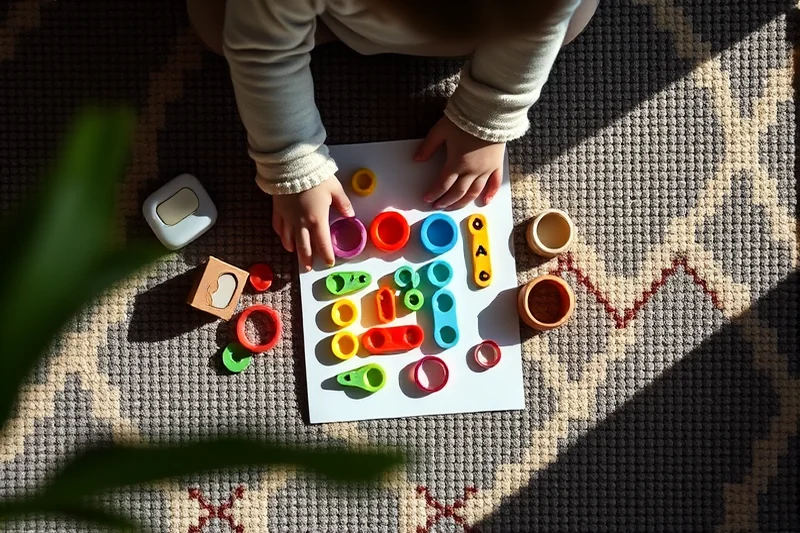
I remember one day when my daughter had a full-blown regression — she was back to using the diaper and crying when I tried to get her to use the potty. It was frustrating, but the guide reminded me that this is a normal part of the process.
The guide had a section on what to do when things go wrong, and it helped me stay calm. I took a step back, reduced the pressure, and gave her more time to adjust.
Regression can be triggered by a variety of things — like starting school, a new sibling, or even a change in routine. The guide helps you stay prepared and not panic when the unexpected happens.
Related: Potty training stage for beginners
Celebrating Small Victories
Every time my daughter used the potty, I made sure to give her a small reward — like a sticker or a few extra minutes of playtime. It was a way to reinforce positive behavior and keep her engaged.
I also made a chart to track her progress, and every time she used the potty, she’d put a sticker on it. After a week, we’d celebrate with a special treat or a fun activity.
Celebrating these small wins helped us both stay positive. It reminded me that potty training is not just about getting it right — it’s also about building confidence and trust.
👶 Gentle Potty Training
A slower, more flexible approach that focuses on building confidence and reducing pressure, especially for children who are not yet ready.
🚀 Fast-Track Potty Training
A more structured and intensive method that works best for children who show clear signs of readiness and can handle the pace.
✈️ Travel/away-from-home Potty Training
A guide that helps you manage potty training on the go, with tips for traveling, staying with family, or being away from home.
👯♀️ Multiples Potty Training
A tailored approach for parents of twins, triplets, or siblings who are training at the same time — with strategies that work for all.
🔄 Regression Reset
A specialized guide for parents dealing with potty training regression, with steps to help your child get back on track.
| The mistake | Why it happens | The fix |
|---|---|---|
| Forcing the potty too soon | Trying to potty train before your child is ready can lead to resistance, anxiety, and even regression. | Wait until your child shows signs of readiness, such as staying dry for a few hours or expressing interest in the toilet. |
| Not being consistent with the routine | Inconsistent routines can confuse your child and make it harder for them to learn. | Create a daily schedule and stick to it — even if it means making small changes when necessary. |
| Using punishment for accidents | Punishing accidents can increase anxiety and make your child more reluctant to use the potty. | Avoid punishment and instead focus on positive reinforcement and encouragement. |
| Neglecting to celebrate small wins | Not celebrating progress can make your child feel like they’re not being supported, which can slow down the process. | Celebrate every small victory — whether it’s a sticker, a special treat, or a few extra minutes of playtime. |
Related: Potty training by age stage ideas
Potty Training By Age Stage Printable
Related: Best potty training by age stage
The Role of Consistency in Potty Training Success
Consistency is key to potty training success, and it often comes down to daily routines and parental commitment.
I learned the hard way that inconsistency can sabotage progress. One day I’d praise my child for using the potty, the next I’d forget to mention it, and they’d quickly lose motivation. To avoid this, I created a daily checklist that included reminders for bathroom breaks, praise, and even a small reward system. This helped my child feel secure and supported through the process. My checklist had times like 8 a.m., 10 a.m., and 2 p.m. for bathroom checks, and I’d use a sticker chart to track successes.
Consistency also extends to the environment. I made sure the potty was always in the same spot, and I used a child-sized potty seat that made the experience more comfortable. I also introduced a potty book that explained the process in simple terms, which helped my child understand what was expected. We read it together every morning, and it became part of our routine. This kind of preparation made the transition from diapers to the potty feel less intimidating and more like a game.
I noticed that days when I was inconsistent—like when I skipped the checklist or didn’t follow through on promised rewards—my child would regress, even if just slightly. That’s why I made it a point to stay committed, even on busy or stressful days. I kept the checklist visible on the fridge and involved my partner so we were both on the same page. This kind of teamwork made a huge difference in how quickly my child mastered potty training.
Common Questions
How long does potty training typically take?
What should I do if my child resists using the potty?
When should I start potty training?
What if my child has a setback during training?
References
- Comprehensive Assessment of Needs & Strengths IM+CANS 2024 (hfs.illinois.gov)
- Rules & Regulations Indicator Manual - Decal.ga.gov (decal.ga.gov)
Cite this guide
Pottydays (2026). Potty Training By Age Stage Printable. https://pottydays.com/potty-training-by-age-stage-printable/
Feel free to cite or share this guide.