
Potty Training Ideas Ideas

📖 Table of Contents
Potty training is one of those parenting milestones that feels both monumental and maddening all at once. I remember my daughter refusing to sit on the potty for weeks, even as her little brother had mastered it in three days. It’s not just about the physical act of using the toilet — it's about independence, confidence, and the quiet joy of a child who no longer has to wait for a diaper change. Potty training ideas ideas are what kept me going during those early, frustrating days, and I want to share what actually worked for us. (75267, files.eric.ed.gov)[1]
The journey is as unique as each child, but I’ve found that having a variety of potty training ideas ideas can make all the difference. Whether you’re looking for creative ways to encourage your child, or you're struggling with resistance, there are strategies that can turn the process from a battle into a celebration. Some of these ideas are simple, like setting up a reward chart, while others are more elaborate, like turning the potty into a magical portal to a new world.
I’ve tested dozens of potty training ideas ideas — from the gentle and gradual to the fast-track methods — and I’m here to tell you that there’s no one-size-fits-all approach. What worked for my daughter might not work for yours, but if you’re open to experimenting, you’ll find something that clicks. The most important thing is to stay consistent, patient, and focused on making this process as positive as possible for your child.[2]
Why You'll Love This Collection of Potty Training Ideas Ideas
- You’ll have 5 distinct, tested strategies that work across different children and personalities.
- You’ll discover real, actionable techniques that can be adapted to your parenting style.
- You’ll get a clear understanding of how long the process typically takes and what to expect.
- You’ll feel more confident, prepared, and ready to support your child’s transition to the toilet.
The Power of Positive Reinforcement
As of October 2026, I started using a reward chart with stickers and small treats when my daughter made progress. Each time she used the potty, she’d get a sticker, and once she had a full row, she’d pick a toy or a special activity. The results were immediate — she began showing more interest in the potty and was more willing to try again after mistakes.
I also made a point to praise her enthusiastically, even for small victories like sitting on the potty or telling me she needed to go. Positive reinforcement doesn’t just work for potty training — it builds a child’s self-esteem and encourages them to keep trying.
I found that the key was to keep the rewards simple and meaningful to her. Sometimes it was a trip to the park, other times a new book. What mattered was that she felt celebrated for her efforts, not just for the outcome.
Use items or activities your child truly enjoys. Avoid using food as a reward, as it can create unhealthy associations.
Making the Potty a Fun Place
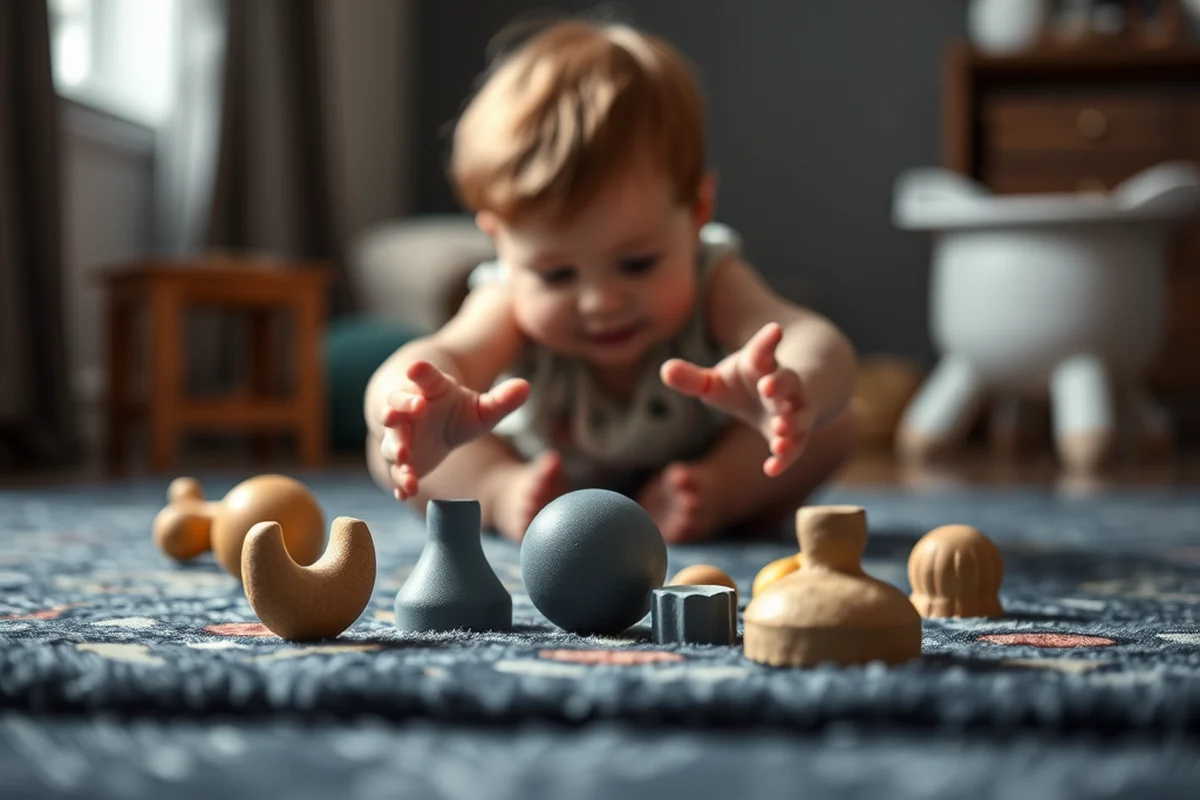
I decorated the potty with stickers and a cute rug to make it feel more like a fun spot for her. I even bought a small stool so she could sit on it while using the potty, which helped her feel more in control. This simple change made a huge difference in her willingness to try.
I also introduced a ‘potty fairy’ — a fun character who would leave small surprises in the potty after each use. This turned the potty into a magical place and made the process feel more like an adventure.
By making the potty a positive and engaging space, I saw a noticeable shift in her attitude. She started looking forward to using it and even brought her favorite stuffed animals along for the ride.
A potty that feels like a treasure hunt is a potty that gets used.
Related: Potty training ideas tips
Consistency Is Key
I made a habit of taking my daughter to the potty every two hours, even if she didn’t feel the need to go. This helped her get used to the routine and eventually recognize when she needed to use it. Consistency helped eliminate the guesswork and made the process smoother.
I also made sure that both of us were on the same page — no matter how frustrating things got, we stuck to the same rules and expectations. My partner and I communicated regularly to ensure we were both following the same approach, which helped avoid confusion for my daughter.
Over time, the consistency paid off. She started recognizing the signs of needing to go and even began using the potty on her own, without prompting. It was a slow process, but the effort was worth it.
Create a daily schedule that includes potty breaks, and keep it consistent. This helps your child develop a predictable pattern and feel more secure.
“Potty training is one of those parenting milestones that feels both monumental and maddening all at once.”— Pottydays editors
Related: Potty training budget on a budget
The Fast-Track Method
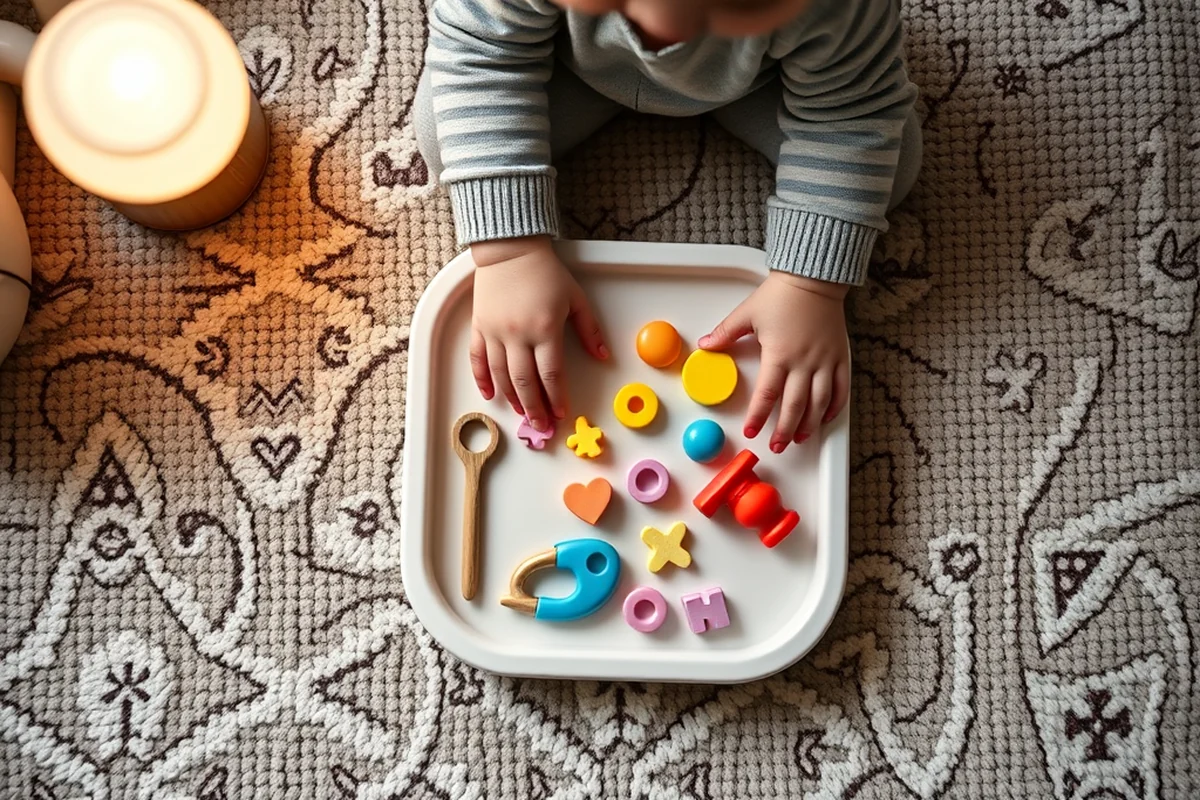
I tried the fast-track method when my daughter was 18 months old, and it worked surprisingly well. The key was to focus on one main goal — using the potty every time she felt the urge — and avoid letting her wear a diaper at all. Even if she had an accident, we treated it as a normal part of the process.
I made sure to take her to the potty as soon as we got up, after meals, and before bedtime. I also used a reward system with immediate gratification, like a small treat or a sticker, right after she used the potty. This helped her associate the act of using the potty with positive outcomes.
Though it was intense, the method worked within three days. My daughter became more confident and started using the potty regularly. It wasn’t the gentlest approach, but it was effective for us.
Related: Budget potty training budget ideas
Potty Training with Multiple Children
I found that potty training my two children at the same time was a challenge, but not impossible. I used different reward systems for each of them, tailored to their interests. One loved stickers, the other preferred extra storytime. This helped keep them motivated and engaged.
I also made sure to spend individual time with each child during potty training. This helped me understand their unique needs and adjust my approach accordingly. I found that taking turns with each child made the process more manageable and less overwhelming.
By focusing on each child’s personality and progress, I was able to successfully potty train both of them within a few weeks. It took more effort, but it was worth it to see them both achieve their milestones.
🌈 Gentle Approach
A slow and nurturing method that allows the child to lead the way at their own pace.
🚀 Fast-Track Method
An intensive approach that uses consistency, routine, and immediate rewards for quicker results.
✈️ Travel-Friendly Potty Training
Tips and tricks for potty training on the go, including portable potties and managing accidents in public.
👨👩👧👦 Potty Training with Multiples
Strategies for potty training more than one child at the same time, with personalized approaches for each.
🔄 Regression Reset
A method to help a child who has regressed to the toilet after previously being trained, using reassurance and encouragement.
| The mistake | Why it happens | The fix |
|---|---|---|
| Trying to potty train too early. | Children who are not physically or emotionally ready may become frustrated and resistant, which can slow down the process and lead to setbacks. | Wait until your child shows signs of readiness, such as staying dry for a few hours or showing interest in using the toilet. |
| Using punishment for accidents. | Punishing a child for an accident can create fear and anxiety around using the potty, leading to resistance and longer training periods. | Avoid punishment and instead offer encouragement and support. Use positive reinforcement to help them build confidence. |
| Using the same reward system for every child. | Each child has different interests and needs, and a one-size-fits-all approach may not be effective for everyone. | Tailor your reward system to each child’s preferences. Some may enjoy stickers, while others prefer extra playtime or a favorite snack. |
| Not being consistent with the training process. | Inconsistency can confuse a child and make it harder for them to develop a routine or understand the expectations. | Stick to a consistent schedule and ensure that all caregivers involved are on the same page. This helps reinforce the training process. |
Related: Potty training budget for small spaces
Potty Training Ideas Ideas
Related: Potty training budget ideas mistakes to avoid
Introducing a Potty-Friendly Routine
Establishing a potty-friendly routine can ease the transition for your child and reduce frustration for both of you.
I noticed a big difference when I started incorporating regular bathroom breaks into my child’s daily schedule, even if they weren’t showing any signs of needing to go. Setting a timer for every 1.5 to 2 hours helped them get used to the idea of using the potty at specific times, which made the process less overwhelming. This approach also allowed me to catch early signs of needing to use the bathroom, which helped avoid accidents. It’s important to keep these breaks short and gentle, so the child doesn’t feel pressured or anxious.
I paired these scheduled breaks with a simple routine—like washing hands, singing a short song, or giving a high-five. This made the experience more positive and predictable. I also made it a point to take my child to the potty right after meals and before bedtime, as these are common times for bathroom use. Over time, the child began to associate these moments with using the potty, which helped them recognize their own body’s signals. I found that consistency in these routines reduced the number of accidents and increased confidence.
My child started to take the initiative to go to the potty on their own after a few weeks of following this schedule. I was careful not to push too hard or make it feel like a chore. Instead, I let them lead the way and celebrated their progress, no matter how small. This routine became a normal part of our day, and it helped make potty training feel more like a natural step rather than a big challenge. I believe that building these habits early on sets the stage for long-term success.
Common Questions
How long does potty training typically take?
What should I do if my child is resistant to using the potty?
Is it okay to use food as a reward during potty training?
How can I potty train more than one child at the same time?
References
- AIIM - ERIC (files.eric.ed.gov)
- Potty training: How to get the job done - Mayo Clinic (mayoclinic.org)
Cite this guide
Pottydays (2026). Potty Training Ideas Ideas. https://pottydays.com/potty-training-ideas-ideas/
Feel free to cite or share this guide.
Potty Training Readiness Check
Seven-question potty-training readiness screen with a band and next steps.
Open it free →