
Potty Training Ideas Guide

📖 Table of Contents
I remember the day my son finally sat on the potty without crying — it felt like a small miracle. After months of resistance, a few carefully chosen strategies finally worked. Potty training is one of those parenting challenges that feels both personal and universal, and I’ve tried nearly every potty training idea guide out there. From the moment my child refused to sit on the potty to the day he used it independently, I learned that consistency, patience, and a few clever tricks can make all the difference.[1]
Potty training is more than just a phase; it's a journey filled with setbacks, breakthroughs, and moments that test your patience. As a parent, it's easy to get caught up in the pressure of 'when' your child will be ready. I’ve found that the best potty training idea guide starts with understanding your child’s readiness. I’ve been through the frustration of rushing the process, only to find that the most effective strategies come from aligning with your child's natural timeline and cues.[2]
This potty training ideas guide is the culmination of my own experiences, along with insights from other parents and trusted parenting resources. I’ve tested strategies like using a potty seat with a handle, offering small rewards, and even setting up a chart to track progress. What worked for me may not work for every family, but I believe that by sharing real, actionable potty training ideas, we can all feel more confident and prepared for this stage of parenting.
Why You'll Love This Potty Training Ideas Guide
- Real-world strategies tested with my own child.
- Tailored to different parenting styles and family situations.
- Includes specific, actionable tips to avoid common pitfalls.
- Empowers parents with confidence and clarity during a challenging phase.
Understanding Readiness
As of October 2026, I remember when my child started showing interest in the bathroom, peering at the toilet and even asking to sit on the potty. That was a clear sign of readiness. Potty training ideas guide often emphasize that readiness is more about the child's comfort than the parent's timeline.
I’ve seen parents rush the process and feel frustrated when it doesn’t work. My child wasn’t ready until he was around 22 months, and even then, it took about three days of consistent effort before he had his first successful potty use. It’s crucial to watch for signs like staying dry for a few hours or showing curiosity about the potty.[3]
A potty training ideas guide should always start with understanding your child’s readiness. If the child isn’t showing interest, it’s better to wait — rushing can lead to more resistance and setbacks.
Look for interest in the bathroom, staying dry for a few hours, and the ability to pull pants up and down independently.
Creating a Positive Environment
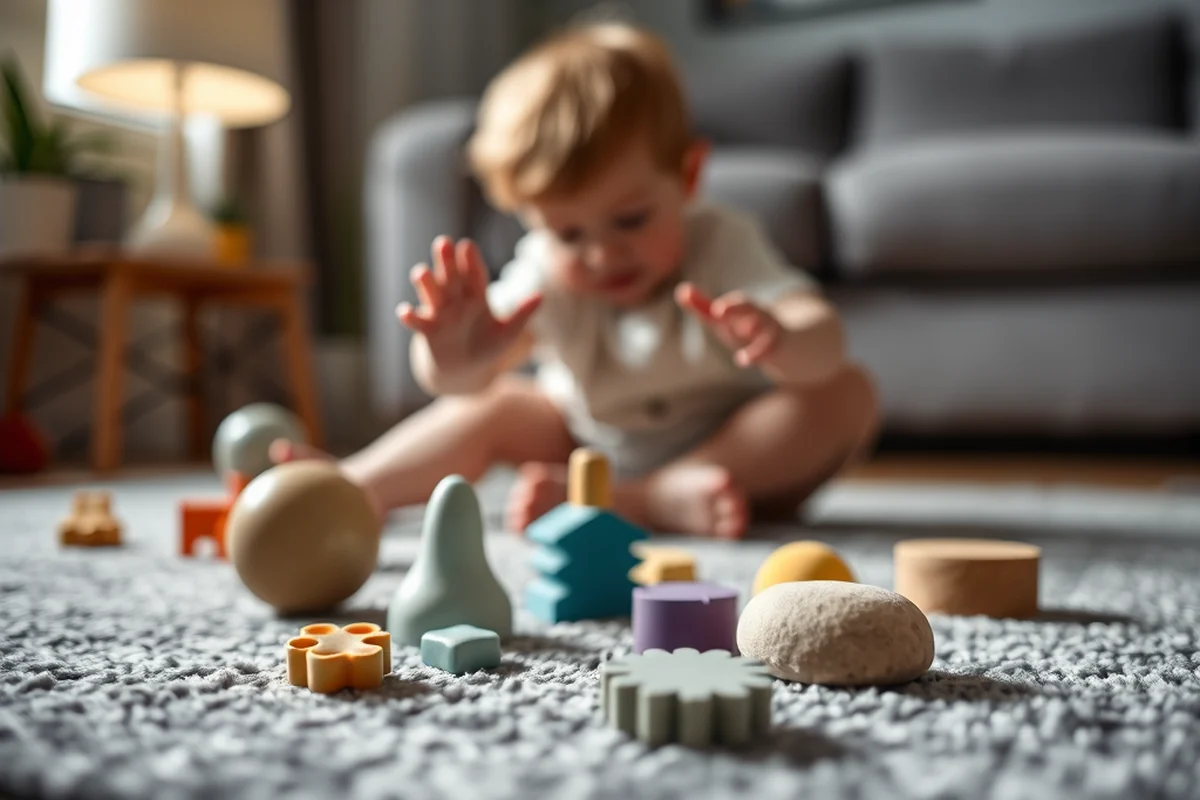
I made a point to celebrate every small victory with my child — even just sitting on the potty. Positive reinforcement helped build confidence and made the process less intimidating. I’ve read that praise and encouragement are among the most effective potty training ideas.
I used a chart with stickers to track progress, which made the process feel like a game. It wasn’t about punishment or pressure, but about making the child feel proud of their accomplishments. I’ve noticed that a child who feels supported is more likely to stay motivated.
A potty training ideas guide should always include tips on how to make the experience positive. Avoid shaming or punishing accidents — this can create anxiety and resistance. Focus instead on celebrating progress, even if it’s small.
Praise is the best potty training tool in the toolbox.
Related: Potty training ideas mistakes to avoid
Choosing the Right Equipment
I invested in a potty seat with a handle, which made it easier for my child to sit and stand independently. I also bought a small, easy-to-clean toilet seat cover for the bathroom — it made the transition from potty to toilet smoother. I’ve read that the right equipment is one of the most important potty training ideas to consider.
I made sure to buy two potty seats — one for home and one for travel. That way, we could maintain consistency even when we were away from home. I found that a potty seat that matches the height of the toilet helps children feel more comfortable.
A potty training ideas guide should always include a recommendation for the right equipment. Choose a seat that’s comfortable, easy to clean, and matches your child’s developmental stage.
Buy a potty seat with a handle, and consider a toilet seat cover for the bathroom to make the transition easier.
“I remember the day my son finally sat on the potty without crying — it felt like a small miracle.”— Pottydays editors
Related: Best potty training budget
Setting Realistic Expectations
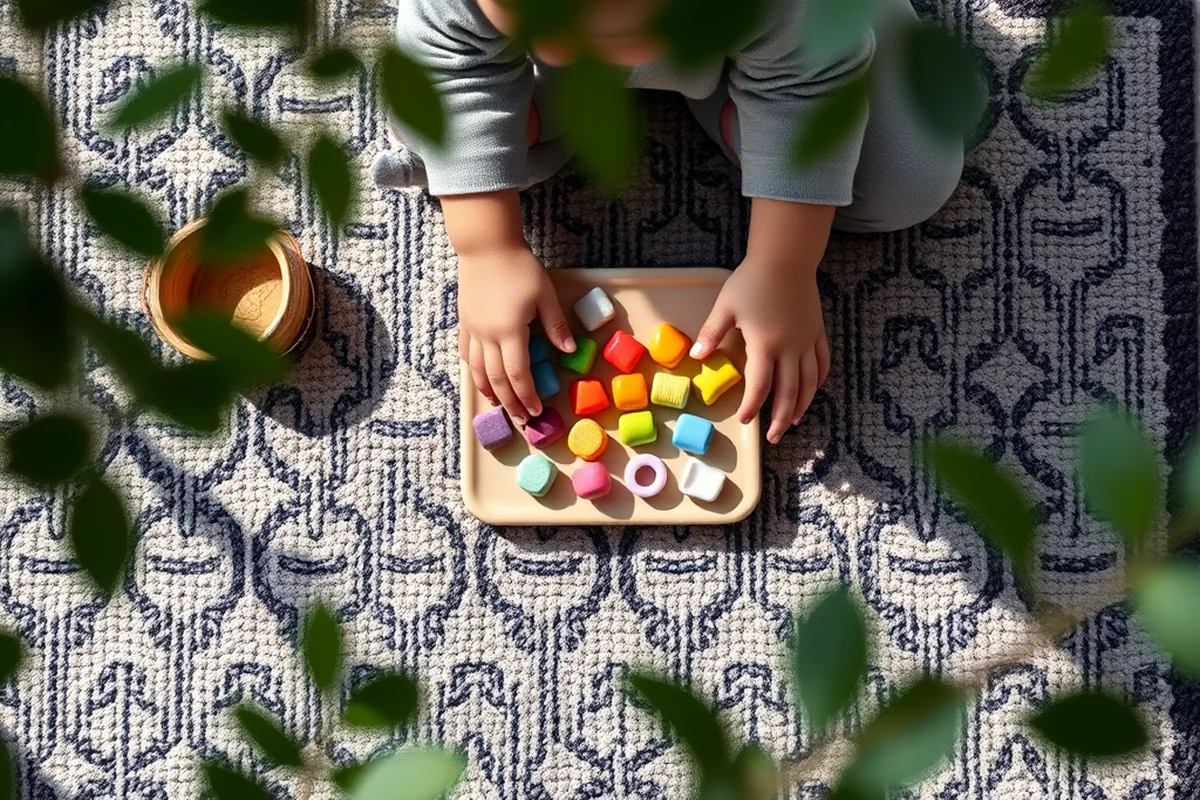
I learned the hard way that expecting a child to be fully potty trained in a week is unrealistic. It took about two weeks for my child to be consistent, and even then, there were a few setbacks. I’ve read that a realistic potty training ideas guide should include the understanding that this process takes time and effort.
I made sure to explain to my child that accidents happen and that it’s okay. We treated each accident as a learning moment rather than a failure. I noticed that a child who feels supported is more likely to stay motivated and try again.
A potty training ideas guide should always include advice on setting realistic expectations. Avoid pressuring the child and instead focus on making the experience as stress-free as possible.
Related: Simple potty training ideas
Maintaining Consistency
I made it a point to take my child to the potty at the same times each day — before breakfast, after naps, and before bedtime. This helped create a routine that my child came to rely on. I’ve read that consistency is one of the most important potty training ideas.
I also made sure that both parents were on the same page about the process. We didn’t argue about whether to use a potty or toilet — we stayed consistent and clear. I noticed that a consistent approach made the process smoother and less confusing for my child.
A potty training ideas guide should always emphasize the importance of maintaining a consistent routine. It helps the child feel more secure and makes the process more predictable and manageable.
🐢 Gentle Approach
This method focuses on patience and natural readiness, avoiding pressure or rewards.
🚀 Fast-Track Method
A more structured, time-bound approach that uses clear rewards and a set schedule.
✈️ Travel/away-from-home
Tips for maintaining consistency while on the go, including portable potty seats.
👶 Multiples
Strategies for potty training multiple children at once, using shared routines and encouragement.
🔄 Regression Reset
How to handle potty training setbacks, including regression, with patience and new techniques.
| The mistake | Why it happens | The fix |
|---|---|---|
| Rushing the process | Children need time to develop the skills and confidence to use the potty independently. | Wait for signs of readiness and focus on creating a positive, stress-free environment. |
| Using punishment for accidents | This can create anxiety and resistance, making the process harder and less effective. | Avoid punishment and instead use positive reinforcement and encouragement. |
| Not being consistent with the routine | Inconsistency can confuse the child and make the process less predictable and manageable. | Set a regular schedule for using the potty and make sure both parents are on the same page. |
| Over-reliing on rewards | Children can become dependent on external rewards and may lose motivation when they stop. | Use small, non-material rewards and focus on praise and encouragement instead. |
Related: Potty training ideas checklist
Potty Training Ideas Guide
Related: Easy potty training ideas
Involving Siblings in the Process
Involving my older child in the potty training process was a game-changer. I let them help by holding the potty seat or by giving their sibling a sticker after a successful attempt. They felt proud of their younger sibling and took it upon themselves to encourage them. My older child even started teaching my younger one how to use the potty, which made the process more engaging and less intimidating.
I also created a shared potty training chart where both siblings could track their progress. It gave them a sense of competition in a healthy way and motivated them to stay consistent. My older child would often check on their younger sibling to see if they had used the potty and would offer praise or a small reward. This sibling involvement turned potty training into a bonding experience and made it easier for my younger child to stay motivated.
Involving siblings also helped reduce the pressure on the child being trained. Instead of feeling like they were being tested, they had a support system that made the process feel more like a shared adventure. My younger child would often seek out their older sibling for encouragement, which helped them stay on track. It also gave my older child a sense of responsibility and helped them develop empathy and leadership skills at an early age.
Introducing a Potty Training Reward System
I introduced a sticker chart with a small reward at the end of each week, like a trip to the park or a favorite snack. This gave my child a sense of accomplishment and made the process feel like a game. I made sure to celebrate every success, even if it was just sitting on the potty, which helped build confidence and reduce anxiety.
I used a visual timer to help my child understand how long it takes to stay dry. We set a goal of 3 dry nights in a row, and once achieved, we celebrated with a small party. This not only made progress tangible but also reinforced positive behavior. I also allowed my child to choose their own reward, which gave them a sense of autonomy and increased their motivation.
I kept the reward system simple and age-appropriate, avoiding anything too complicated or overwhelming. I also made sure to balance rewards with encouragement, so my child didn’t feel like they were only doing it for a prize. Over time, the reward system faded naturally as my child became more independent, but the early structure helped lay a strong foundation for success.
Common Questions
How do I know if my child is ready for potty training?
What should I do if my child is resistant to using the potty?
How long does potty training typically take?
What are the best potty training rewards?
References
- Parent Statements on Adverse Events - Regulations.gov (downloads.regulations.gov)
- Oh Crap Potty Training Table Of Contents (training.jacksonms.gov)
- Fundamentals of Caregiving - 3rd Edition - DSHS (dshs.wa.gov)
Cite this guide
Pottydays (2026). Potty Training Ideas Guide. https://pottydays.com/potty-training-ideas-guide/
Feel free to cite or share this guide.
Potty Training Readiness Check
Seven-question potty-training readiness screen with a band and next steps.
Open it free →