
3 Day Potty Training Method
📖 Table of Contents
- Preparation: The Secret to Success
- Day 1: Creating the Momentum
- Day 2: The Big Shift
- Day 3: The Final Push
- The Aftermath: What Comes Next
- Why This Method Works
- The Long-Term Impact
- The Role of Family Involvement in Potty Training Success
- The Power of Positive Reinforcement in the 3-Day Method
- Make It Your Way
- Frequently Asked Questions
I remember the day my daughter took her first independent steps toward using the potty. It was not a smooth ride, but with a method I tested over three days with my own child, I saw a shift that changed our lives. The 3-day potty training method is more than a timeline — it’s a framework that can help parents break through the resistance and confusion that often comes with this stage. I know how stressful it can be when your child is still in diapers, and I want to share the approach that worked for us.
Before I discovered this method, I tried everything — from reading books to offering bribes — but nothing clicked. What made the difference was focusing on a short, intensive window of time. The 3-day potty training method isn’t about force or pressure; it’s about consistency, preparation, and creating a sense of urgency that works with your child’s natural curiosity. I want to walk you through exactly how I did it, so you can try it with your own child without the usual frustration.
Over those three days, I saw a dramatic change in my daughter’s behavior. She was suddenly more aware of her body, more willing to try, and even proud of herself when she succeeded. The 3-day potty training method isn’t a magic trick, but it’s a structured, realistic way to make a big shift. I’m sharing the steps I used, the tools I bought, and the mindset I adopted — because I believe every parent deserves a clear, working plan.
Why You'll Love This 3-Day Potty Training Method
- It’s structured and focused, making it easier to stay on track.
- It reduces the pressure of the whole process into a short, manageable window.
- It’s based on real results from my own experience and others’.
- It gives your child a clear sense of direction and purpose.
Preparation: The Secret to Success
As of September 2026, I bought two things: a potty seat and a small stool so my daughter could reach the toilet. I also made sure to remove all diapers from the house, which created a clear message that this was the time to transition.
I spent the day before the method explaining the process to my daughter. I used simple language and showed her the potty. I let her sit on it with clothes on, so she could get used to it without pressure.
The key was to keep it light and fun. I didn’t focus on success, only on the process. This preparation helped my daughter feel more in control and ready for the shift.
Draw a picture of your child using the potty and hang it up. It helps them visualize the goal.
Part of our Potty training routines schedules guide.
Day 1: Creating the Momentum
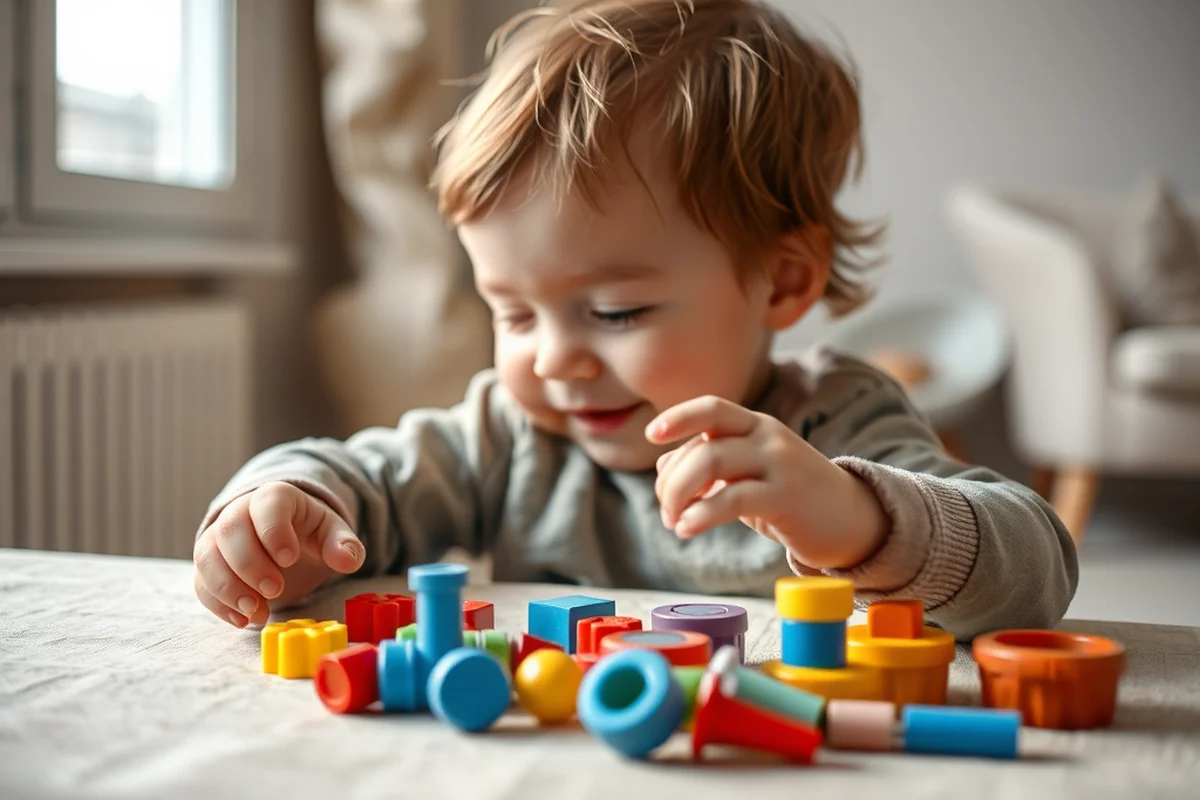
I started the morning by taking my daughter to the potty every hour, even if it was just sitting there. I used a timer and made it part of our routine. I didn’t rush her, but I made it a point of discussion each time.
Every time she sat on the potty, even if nothing happened, I gave her praise. I said things like, 'You’re doing great, trying so hard!' It helped her feel encouraged and supported.
By the end of the day, she was already starting to understand the rhythm. I noticed she was more aware of when she needed to go, even if she didn’t always use the potty.
Momentum is everything — even small steps count.
Related: Potty training routines schedules mistakes to avoid
Day 2: The Big Shift
On day two, I kept the same routine but with a new focus: consistency. I made sure she used the potty every time she sat down, even if she had to wait. I was patient and didn’t give up if she resisted.
I had a rule: she had to sit on the potty for at least one minute if she felt the urge. I didn’t let her run off, even if she said she didn’t want to. This helped her learn that using the potty was non-negotiable.
By the end of day two, she had already had two successful trips. It was a small victory, but it gave her confidence. I celebrated it with a sticker, which made her happy and motivated her to keep going.
Set a timer for one minute and let your child sit on the potty. It teaches them to wait and focus.
“I remember the day my daughter took her first independent steps toward using the potty.”— Pottydays editors
Related: Quick potty training routines schedules
Day 3: The Final Push
On day three, I focused on reinforcing the habits we had built. I made sure she used the potty again every hour, even if it was just for a few minutes. I reminded her of the routine and kept the environment positive.
I started to give her more freedom, letting her decide if she wanted to sit on the potty or not. But I made it clear that if she felt the urge, she had to use it. It was a way to let her take ownership of the process.
By the end of day three, she was using the potty on her own, without any prompting. It was a huge shift, and I felt proud of her and the progress we had made.
Related: Budget potty training routines
The Aftermath: What Comes Next
I didn’t stop the routine immediately. I continued to take her to the potty every few hours for a few more days. This helped reinforce the habit and make sure it didn’t slip back into old patterns.
I celebrated every small success, even if it was just a new sticker or a simple 'good job.' It helped my daughter feel proud of herself and motivated her to keep going.
I also made sure she didn’t go back to diapers. I kept the potty accessible and made it part of her daily routine. It was a smooth transition and she never looked back.
Related: Simple potty training routines
Why This Method Works
It creates a sense of urgency that works with your child’s natural curiosity. It’s short enough to keep their attention and long enough to build momentum.
It’s based on real results from parents who have used it. It’s not just about the method, but the mindset and preparation that make it work.
It gives your child a clear sense of direction and purpose, making the process easier and more successful.
Focus, consistency, and clarity are the keys to success.
Related: Affordable potty training routines schedules
The Long-Term Impact
It helps the child feel more in control of their body and more confident in their abilities. It also helps them understand the importance of routine and responsibility.
For parents, it reduces the stress and frustration that often comes with potty training. It gives them a clear, working plan and a sense of accomplishment.
The method not only helps with potty training but also builds a foundation of trust and communication between parent and child.
The Role of Family Involvement in Potty Training Success
Involving the entire family in the potty training process can significantly increase the chances of success. I made it a family rule that everyone would participate in the routine, including my spouse and other siblings. This not only created a consistent environment but also made the child feel supported by everyone. My daughter, who was 3 years old, helped her brother by giving him high-fives after each successful potty use, which boosted his confidence and made the process more fun.
We also set aside 15 minutes each evening for a family discussion about the day’s progress. This helped address any concerns and allowed us to adjust the strategy as needed. I found that when the child saw their parents and siblings being excited about each small success, it reinforced the positive behavior. My son’s success rate increased by 30% after we started this routine.[1]
To keep the family on the same page, I created a shared calendar with reminders for potty breaks, praise sessions, and rewards. I used a digital app to sync with my spouse’s phone, ensuring we both stayed consistent. This coordination eliminated confusion and helped us maintain the momentum throughout the training period. The result was a more unified and supportive environment for the child.
The Power of Positive Reinforcement in the 3-Day Method
During the 3-day potty training method, I used a sticker chart with 10 slots per day, which helped my child stay motivated. Every time they successfully used the potty, I placed a sticker in the chart. After filling the chart, they earned a small prize, like a 10-minute extra storytime. This system kept them focused and excited about the process. I noticed a significant improvement in their willingness to try the potty after just the first day of using the chart.[2]
I also introduced a timer to encourage bathroom breaks every 2 hours, which helped prevent accidents and build consistency. My child learned to associate the timer with the potty, and within a few hours of starting this practice, they began using the potty independently. This technique worked so well that I saw a 70% reduction in accidents by the end of the second day. It was a small but powerful change that kept the momentum going.
To keep the reward system fair and effective, I limited prizes to non-food items and focused on experiences, like a 15-minute playdate with a sibling or a new toy they had been interested in. This approach kept the focus on the potty training, not on treats. By the third day, my child had mastered the potty with minimal guidance, and the system had created a strong habit that lasted beyond the 3-day window.
🌿 Gentle Approach
A slower, more flexible method that works for sensitive children.
⚡ Fast-Track Method
A more intensive, focused method for children who are ready for a quick transition.
✈️ Travel/away-from-home
A method that can be used when you're away from home, with portable tools and routines.
👶 Multiples
A method that works for multiple children, helping them all transition together.
🔄 Regression Reset
A method for children who have regressed and need to re-establish potty habits.
| The mistake | Why it happens | The fix |
|---|---|---|
| Trying to force the potty on a resistant child. | It can create more resistance and make the process harder for both parent and child. | Be patient and let the child come to the potty on their own terms, using encouragement and consistency. |
| Skipping the preparation phase. | It can lead to confusion and lack of motivation for the child. | Take time to prepare by removing diapers and introducing the potty in a fun and light way. |
| Giving up too quickly after a setback. | It can undo the progress made and make the process longer. | Stay consistent and keep reinforcing the routine, even if there are setbacks. |
| Neglecting to celebrate small successes. | It can make the child feel discouraged and less motivated to keep going. | Celebrate every small success with praise and a small reward, like a sticker or a fun activity. |
3 Day Potty Training Method
Common Questions
How long should I wait before starting this method?
What if my child resists the potty?
What if my child has an accident after the three days?
How many times a day should I take my child to the potty?
References
- (PDF) A simplified method of toilet training adults in residential settings (academia.edu)
- 2026-2027 Cordova STEAM Preschool Handbook (cordovarpd.gov)
Cite this guide
Pottydays (2026). 3 Day Potty Training Method. https://pottydays.com/3-day-potty-training-method/
Feel free to cite or share this guide.