
Potty Training Phases Checklist
📖 Table of Contents
I remember the day my daughter finally sat on the potty, her little legs wiggling in the air, her face a mix of determination and disbelief. It was the culmination of weeks of gentle nudging, playful encouragement, and a few well-timed sticker charts. Potty training is a journey, not a race, and each step feels monumental when you're in the thick of it. A potty training phases checklist is more than just a tool—it's a lifeline that helps you handle the ups and downs with clarity and confidence.
When I first started the process, I had no idea how many phases there were, or how long each one might last. I had a vague sense that there was a 'beginning' and an 'end,' but the reality was far more complex. The phases—like the early signs, the first attempts, the setbacks, and the full-blown independence—are all part of a natural process. A potty training phases checklist gives structure to the chaos and helps you know exactly what to expect as you move forward.
I’ve used a potty training phases checklist with all three of my kids, and it made a world of difference. It helped me recognize when my child was ready, when they were just testing limits, and when I needed to adjust my strategy. It also eased the anxiety that comes with this stage, which is equal parts exciting and terrifying. Having a clear roadmap made the entire process feel less overwhelming and more manageable, even on the toughest days.[1]
Why You'll Love This Potty Training Phases Checklist
- It provides clear expectations for each phase of potty training.
- It helps you avoid the common pitfalls of rushing or waiting too long.
- It offers practical, actionable steps for every stage of the process.
- It gives you a sense of control and confidence during this unpredictable time.
Understanding the Early Signs
As of September 2026, you might notice your toddler peering into the bathroom, mimicking your movements, or asking to 'go potty' when they're not actually in need. These are subtle clues that they're becoming aware of their body and what it's doing. I saw this with my first child around 18 months, and it was like a lightbulb moment that they were ready to take the next step.
During this phase, it's important to talk about the process openly and without pressure. Use books or videos to make it fun, and introduce a potty or toilet seat adapter if you haven’t already. This is also the time to start talking about the 'big kid' potty, which can spark curiosity and excitement.
One of my favorite moments was when my daughter said, 'I want to go to the potty like Mummy.' That simple statement told me she was watching and learning. It was time to start the next phase of the journey.
Invest in a few potty training books that are engaging and age-appropriate. We found that 'Potty Time' by Karen Katz was a hit with our kids and helped them understand the process.
Part of our Potty training troubleshooting phases guide.
The First Attempt Phase
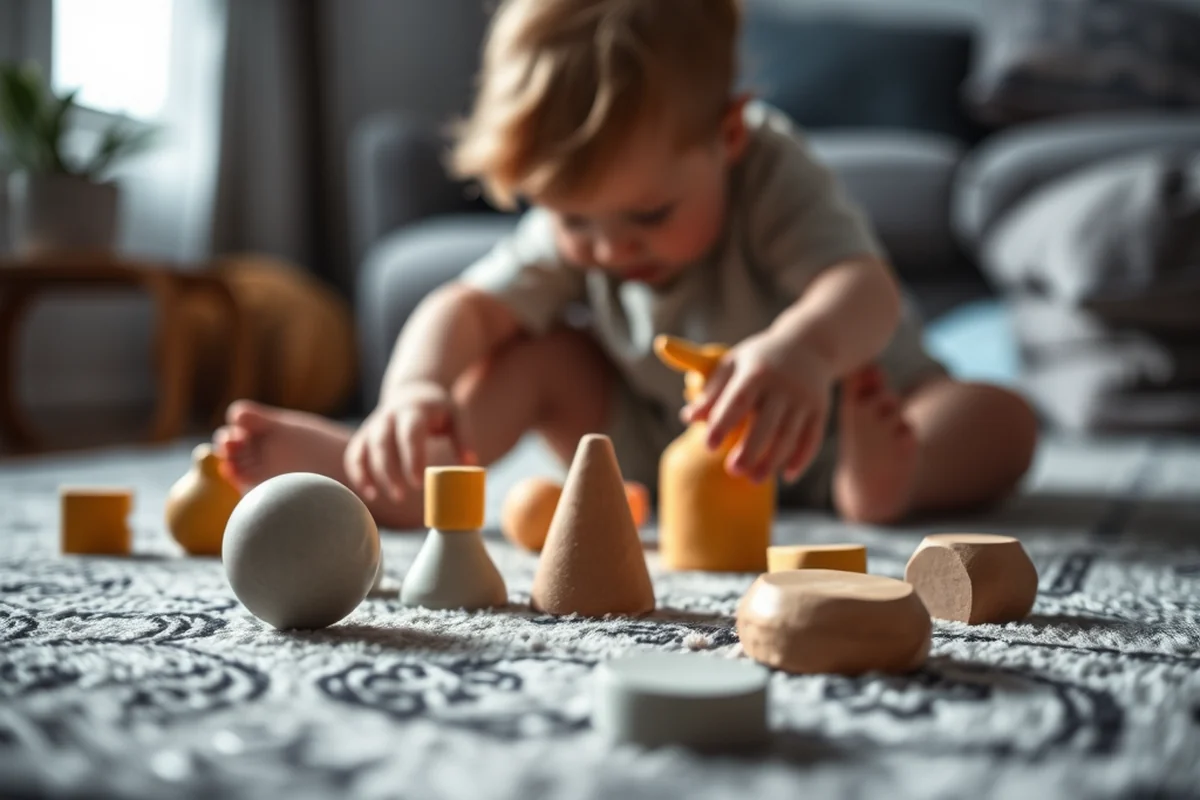
This phase is all about exploration and trying things out. Your child might sit on the potty for a few minutes, or they might get up immediately and run off to play. That's okay—it’s all part of the process. It’s not about success yet; it’s about building the habit.
I remember my second child sitting on the potty for three minutes and then proudly announcing, 'I went on the potty!' even though there was no actual success. That moment made me realize that the journey is just as important as the destination.
During this phase, encourage your child with praise and avoid criticism. Celebrate every attempt, even if it’s just sitting on the potty for a minute. This is a time to be patient and consistent.
Every attempt is a victory in disguise.
Related: Budget potty training troubleshooting
Related: Potty training phases ideas
Related: Best potty training troubleshooting phases
Related: Potty training phases tips
Related: How to potty training troubleshooting
Related: Easy Potty Training Phases
The Ups and Downs of the Learning Phase
Accidents are normal and to be expected. It’s a natural part of the process, and it can be frustrating, especially when it happens in public or in front of others. I remember one day when my daughter had a full-blown accident in the grocery store, and I felt my heart sink. But I reminded myself that this was part of the journey and that it would pass.
During this phase, it's important to be consistent with your routine. Use a potty training chart to track progress, and keep your child motivated with stickers or small rewards. This can help build confidence and reinforce the behavior you want to see.
I found that using a chart with a sticker for every successful attempt made a huge difference. My kids loved seeing their progress and it helped them stay motivated through the ups and downs.
A simple chart with stickers and a few milestones can make a big difference. We used a poster with a cartoon potty and a row of stickers that my kids could color in as they went.
“I remember the day my daughter finally sat on the potty, her little legs wiggling in the air, her face a mix of determination and…”— Pottydays editors
The Independence Phase
This phase is the most rewarding, but it can also be the most confusing. Your child may suddenly refuse to use the potty or may have a regression, which is when they start having accidents again. This can be frustrating, but it's a normal part of the process and usually temporary.
During this phase, it's important to be flexible and adaptable. If your child is having a regression, don't take it personally. It's not a failure, and it's not a sign that you're doing something wrong. It's just a temporary setback that will pass with time and patience.
I found that during this phase, it was helpful to revisit the potty training chart and remind my kids of their progress. It helped them regain their confidence and get back on track.
The Final Phase: Full Independence
This is the final phase of potty training, and it's the most exciting. Your child is now a big kid, and they're using the potty independently. It's a huge milestone and a moment to celebrate.
During this phase, you can slowly phase out the potty and encourage your child to use the toilet. It's important to continue praising their independence and making the process fun.
I remember the day my youngest daughter used the toilet for the first time and proudly told me, 'I did it all by myself!' That moment was so special and a huge reminder of how far she had come.
🌱 Gentle Potty Training
This approach focuses on patience and positive reinforcement, letting your child lead the way at their own pace.
🚀 Fast-Track Potty Training
A more structured method that uses clear rules and immediate rewards to encourage quick progress.
✈️ Travel/away-from-home Potty Training
This variation helps your child stay consistent with their potty training routine even when you're on the go.
👶 Potty Training for Multiples
A tailored approach for families with more than one child, balancing attention and encouraging each child's progress.
🔄 Regression Reset
A strategy for when your child starts having accidents again and needs a fresh start with their potty training process.
| The mistake | Why it happens | The fix |
|---|---|---|
| Trying to rush the process | Rushing your child can lead to frustration and a setback in the potty training journey. | Be patient and follow your child's lead. Use a potty training phases checklist to stay on track and avoid rushing the process. |
| Using punishment for accidents | Punishment can create anxiety and make your child more hesitant to use the potty. | Instead of punishment, use positive reinforcement and celebrate every attempt, even if it doesn’t result in a success. |
| Neglecting the emotional aspect | Potty training is an emotional milestone, and ignoring your child’s feelings can make the process harder. | Be supportive, empathetic, and use a potty training phases checklist to help your child feel confident and secure. |
| Using a potty training chart too early | Introducing a chart too early can create pressure and make your child more anxious about the process. | Wait until your child is showing interest in the potty and use the chart as a tool for encouragement, not pressure. |
Potty Training Phases Checklist
The Role of Consistency in Potty Training Success
Consistency is key when it comes to potty training, and I learned this the hard way. Creating a routine helps your child feel safe and supported, and I found that sticking to the same schedule every day made a big difference.
I discovered that consistency in potty training is crucial, and I made a point to sit with my child on the potty at the same time every morning and after meals. It took a few weeks, but eventually, they began to associate the potty with a regular part of their day. I found that consistency helped my child feel more secure and less confused about when and where to go. It also made it easier for me to manage the process without constantly reminding them.
During the process, I noticed that inconsistency in routines led to confusion. For example, if I sometimes let my child use the potty at 8 a.m. and other times at 9 a.m., they got confused and were less likely to cooperate. I made a point to track the times in a small notebook to keep things on schedule. This small effort paid off when my child began to recognize the pattern and start using the potty more reliably.
I also found that being consistent with praise and encouragement was important. I made sure to give my child positive reinforcement each time they used the potty, even if it was just a few words of approval. This helped build their confidence and made the whole process more pleasant for both of us. Consistency in both routine and response created a stable environment that supported successful potty training.
Common Questions
How long does each phase of potty training usually last?
What should I do if my child refuses to use the potty?
How can I help my child stay motivated during potty training?
What if my child has a regression during potty training?
References
Cite this guide
Pottydays (2026). Potty Training Phases Checklist. https://pottydays.com/potty-training-phases-checklist/
Feel free to cite or share this guide.