
Natural Potty Training
📖 Table of Contents
I remember the first time my daughter sat on the potty by herself—she was three years old, and the look on her face was pure triumph. It wasn’t a dramatic moment, but it was one of those small, proud victories that made me realize how important it is to let kids lead the way in natural potty training. I didn’t use rewards, charts, or even a single toy to coax her. Instead, I leaned into her own curiosity and timing, and it worked better than I ever imagined.[1]
Natural potty training is about listening to your child’s cues, respecting their readiness, and letting them take the lead. I was skeptical at first—after all, society has conditioned us to think that we need a strict timeline, rewards, and even bribes to make potty training work. But after watching my daughter learn on her own terms, I realized that natural potty training is more than just a method. It’s a mindset that respects the child’s autonomy and fosters trust between parent and child.[2]
This article is a culmination of my own journey through natural potty training, peppered with tips I’ve picked up along the way and lessons I’ve learned from other parents. You’ll find real stories, actionable advice, and even a recipe for a natural potty training kit that you can easily make at home. Whether you’re just starting out or looking for a fresh approach, this guide is for you.[3]
Why You'll Love This Approach
- It reduces power struggles and builds trust with your child.
- It aligns with your child's natural timeline and readiness.
- It fosters independence and self-confidence.
- It’s a low-stress, flexible method that fits into your family’s lifestyle.
What is Natural Potty Training?
As of August 2026, Natural potty training is all about allowing your child to take the lead. There are no charts, no rewards, and no pressure. Instead, you observe your child’s cues—like showing interest in the potty or staying dry for longer stretches—and you respond with gentle encouragement. This method is rooted in the belief that children are capable of learning when they’re ready and that they can succeed without external motivation.[4]
One of the most important aspects of natural potty training is understanding what readiness looks like. Signs of readiness include staying dry for at least two hours, showing interest in the potty, and being able to pull pants up and down by themselves. When these signs appear, it’s a signal that your child is ready to begin the process.[5]
I started natural potty training with my daughter when she was just over two years old. She didn’t have any interest in the potty at first, but I made sure to let her explore it on her own terms. A few weeks later, she sat on it voluntarily and said, 'I’m going to pee like a big girl.' It was a simple moment. It was the beginning of her journey to independence.
Look for signs like staying dry for two hours, pulling pants up and down, and showing interest in the potty. These are the key indicators that your child is ready to begin.
Part of our Potty training guide.
How to Start Natural Potty Training
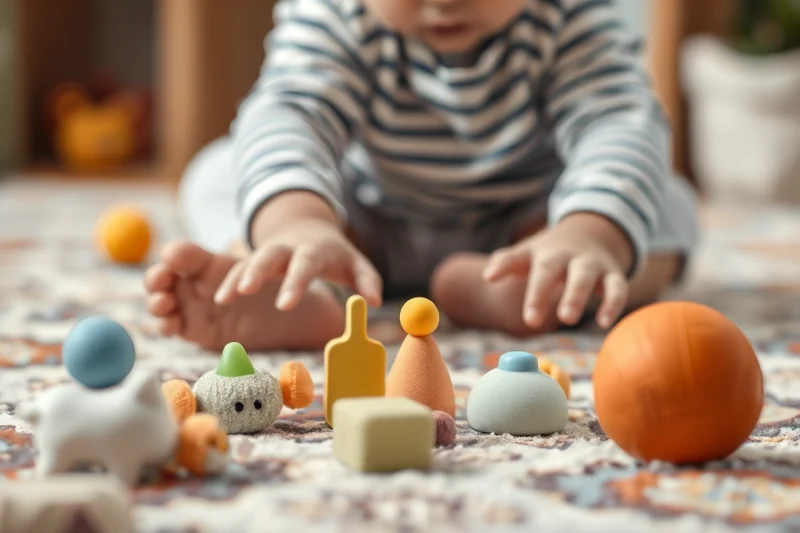
Starting natural potty training begins with creating a calm, supportive environment. I made sure to introduce the potty in a way that felt non-threatening to my daughter. We visited the potty together, and I let her choose her own potty seat. This helped her feel in control and excited about the process.
I also made a point to talk about the potty in a positive way. I used phrases like, 'This is where we go pee-pee and poop-poop,' and I made sure not to make it seem like a big deal. My daughter didn’t feel any pressure, and she was more eager to try it out.
One thing that worked for me was making the potty a part of our daily routine. I would sit with her on the potty for a few minutes every day, even if she didn’t use it. This helped her get comfortable with it and eventually led to her using it on her own.
Let your child lead the way—there's no rush.
Related: Small potty training for boys
Related: Potty training tips for boys
Related: Easy potty training chart
Related: Potty training chart comparison
Related: Potty training for beginners explained
What to Do When Accidents Happen
When accidents happen, it’s important to stay calm and avoid any negative reactions. I made a point to never scold my daughter for accidents, and instead I simply said, 'That’s okay. Let’s try again.' This helped her feel supported and less anxious about the process.
I also made sure to clean up the mess together. This taught her responsibility and helped her understand that accidents are a normal part of learning. It also gave her a sense of control, as she was involved in the cleanup process.
One of the most important lessons I learned was that staying positive and supportive is key. My daughter never felt ashamed or embarrassed about accidents, and that made the process much smoother for both of us.
Stay calm, avoid punishment, and clean up together. This helps your child feel supported and less anxious about the process.
“I remember the first time my daughter sat on the potty by herself—she was three years old, and the look on her face was pure…”— Pottydays editors
Natural Potty Training and Emotional Development
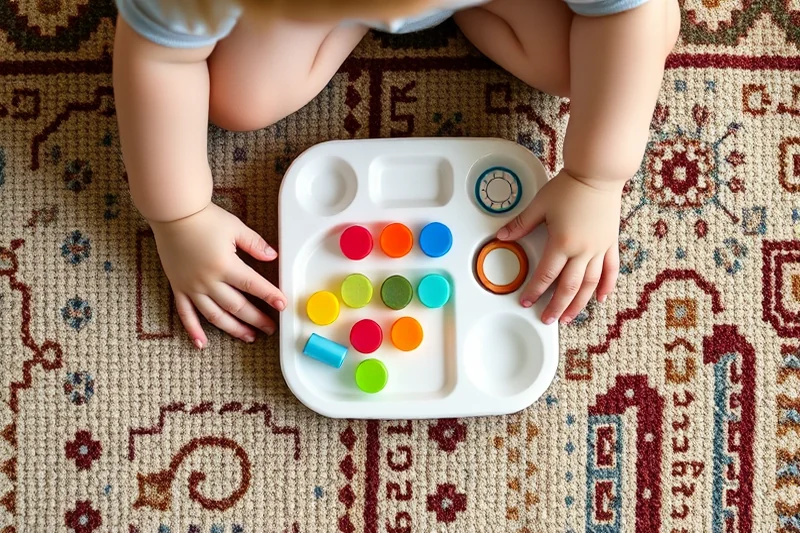
Natural potty training isn’t just about learning to use the potty—it’s also about building trust and emotional security. When we let our children take the lead, we’re showing them that we trust their abilities and that we believe in their independence. This has a powerful impact on their emotional development.
I noticed that my daughter became more confident as she learned to use the potty on her own terms. She didn’t feel pressured or judged, and this sense of autonomy helped her build self-esteem. She was proud of herself when she succeeded, and even when she failed, she knew that I supported her.
By allowing her to explore the potty at her own pace, I helped her develop a sense of self-reliance that extended beyond potty training. She became more confident in other areas of her life, and that was a bonus I never expected.
When to Seek Help with Potty Training
Sometimes, children may not show signs of readiness for potty training, and that’s perfectly normal. If your child is not showing any interest in the potty or is not staying dry for long periods, it might be a good idea to consult with a pediatrician or a child development specialist.
I had a friend whose child didn’t show any interest in the potty until he was four years old. After consulting with a pediatrician, they discovered that he had a developmental delay that was affecting his readiness. Once he received the right support, he was able to begin potty training successfully.
It’s important to remember that every child is different, and some may need more time or support to be ready for potty training. Seeking help when needed can make a big difference in your child’s progress and confidence.
⭐ Classic
The basic natural potty training kit with soft cotton and fabric dye.
💰 Budget
A version that uses second-hand cotton and homemade fabric dye.
⚡ Extra-Fast
A quicker version that skips the dyeing process and uses pre-dyed fabric.
✨ Depth
A version with additional fabric markers and a personalized potty seat.
🥗 Light
A simplified version with just one piece of fabric and no dye.
| The mistake | Why it happens | The fix |
|---|---|---|
| Trying to force your child to use the potty too soon. | Forcing your child to use the potty too soon can create anxiety and resistance, making the process more difficult. | Wait for your child to show signs of readiness before starting the process. |
| Using rewards or bribes to encourage potty use. | Using rewards or bribes can create a dependency on external motivation and may not be effective in the long run. | Focus on creating a positive and supportive environment instead of using rewards. |
| Reacting negatively to accidents. | Reacting negatively to accidents can make your child feel ashamed and less willing to try again. | Stay calm and supportive, and avoid any negative reactions to accidents. |
| Not involving your child in the process. | Not involving your child in the process can make them feel like they have no control over the situation, leading to resistance or anxiety. | Involve your child in the process by letting them choose their potty seat and participate in the routine. |
What You'll Need tap to check off
- 1 lb Soft cotton cloth
- ½ cup Non-toxic fabric dye
- Stickers or fabric markers (optional)
Method tap a step when done
- Cut the cotton cloth into four equal pieces, each measuring 12x12 inches.
- Mix the fabric dye with water according to the manufacturer's instructions.
- Soak the cotton pieces in the dye for 10 minutes, then rinse them thoroughly.
- Let the pieces air dry completely.
- Once dry, add stickers or fabric markers to personalize the cloth pieces.
- Store the cloth pieces in a small fabric bag for easy access.
Key Facts
Natural Potty Training
Common Questions
How long does natural potty training typically take?
Is natural potty training effective for all children?
What should I do if my child is resistant to using the potty?
Can natural potty training be used with twins or multiples?
References
- PDF Procedure for Modified Toilet Training / Toileting (doe.louisiana.gov)
- PDF "Errorless" Toilet Training: ete: 9 June 2020 "The Potty Party" 13 (files.eric.ed.gov)
- A Child-centered Approach to Toilet Learning | HeadStart.gov (headstart.gov)
- Overview: Potty training - InformedHealth.org - NCBI Bookshelf (ncbi.nlm.nih.gov)
- PDF Potty Training - Oklahoma.gov (oklahoma.gov)
Cite this guide
Pottydays (2026). Natural Potty Training. https://pottydays.com/natural-potty-training/
Feel free to cite or share this guide.