
Potty Training Troubleshooting Phases Checklist
📖 Table of Contents
At 2 years old, my son still had a full-time love affair with the diaper. Every morning, I’d wake up to the familiar sound of a wet bed and the faint smell of defeat. It wasn’t that he didn’t know what a potty was—he had a little blue one in his room, and he’d point to it proudly during our daily read-alouds. But when it came to using it, he was stubborn, hesitant, and oddly possessive of his diapers. I knew I wasn’t alone in this struggle. Potty training is one of those parenting milestones that feels both inevitable and impossible all at once. That’s why I created this potty training troubleshooting phases checklist—a guide that walks you through the messy, unpredictable. Sometimes heart-wrenching journey of getting your child from diapers to the potty, one step at a time.
The potty training troubleshooting phases checklist is more than just a list of steps; it’s a roadmap that helps parents handle the emotional and logistical hurdles that come with this process. It’s not about forcing your child to sit on the potty until they’re ready—it’s about understanding their rhythms, their fears. The little things that can derail even the most well-intentioned plan. I’ve walked through this journey with my own kids, and I’ve watched other parents struggle through every phase from the initial resistance to the glorious breakthroughs. This checklist is built on real experiences, not theory. It includes the hard stats, the common pitfalls, and the strategies that actually work—because I’ve tested them all in my own home.[1]
When I first started this journey, I didn’t know where to begin. Was it too early? Too late? Was I being too strict, too lenient? The confusion was overwhelming. Over the next year, I tried every method I could find, from sticker charts to bribes, from baby-led potty training to full-on toddler potty coaching. Some things worked, and others didn’t. But through all of it, one thing became clear: potty training is a phase-by-phase process that requires patience, consistency, and a personalized approach. That’s why I’ve created this checklist. It’s meant to be your guide through the ups and downs, the setbacks and small victories, all the way to the point where your child is confidently using the potty. You’re finally getting a full night’s sleep.
Why You'll Love This Potty Training Troubleshooting Phases Checklist
- It walks you through each phase with practical, actionable steps.
- It includes real-world stats and insights from other parents who’ve been there.
- It helps you avoid common mistakes that can derail the process.
- It gives you the confidence to know you’re not alone in this journey.
Understanding the Initial Resistance Phase
As of August 2026, During the initial resistance phase, your child might seem disinterested in the potty or even refuse to sit on it. This is normal and not a sign of failure. My son, for example, would stare at the potty and then run in the opposite direction. I realized that this phase was about building trust and familiarity. I started letting him sit on the potty for a few minutes each day without any pressure. I made it part of our routine, just like brushing teeth or reading a story.
It's important not to force this phase. My mistake was trying to convince my son to use the potty as soon as I brought it home. He resisted so hard that I almost gave up. But when I shifted to letting him explore the potty on his own terms, things changed. I noticed that he started to sit on it more willingly, and even began to point to it when he needed to go.
This phase typically lasts 3 days. Is why it's often referred to as the 'first shift.' During this time, your child is adjusting to the idea of the potty and may not be ready to use it yet. The key is to be patient and keep the potty in plain sight. My son started to take interest in it after a few days, and that was the moment the real training began.
Give your child time to sit on the potty without pressure. Let them play with it, sit on it, and get used to its presence. This helps build familiarity and trust.
Part of our Potty training troubleshooting phases guide.
The Emotional Rollercoaster of the Fear Phase
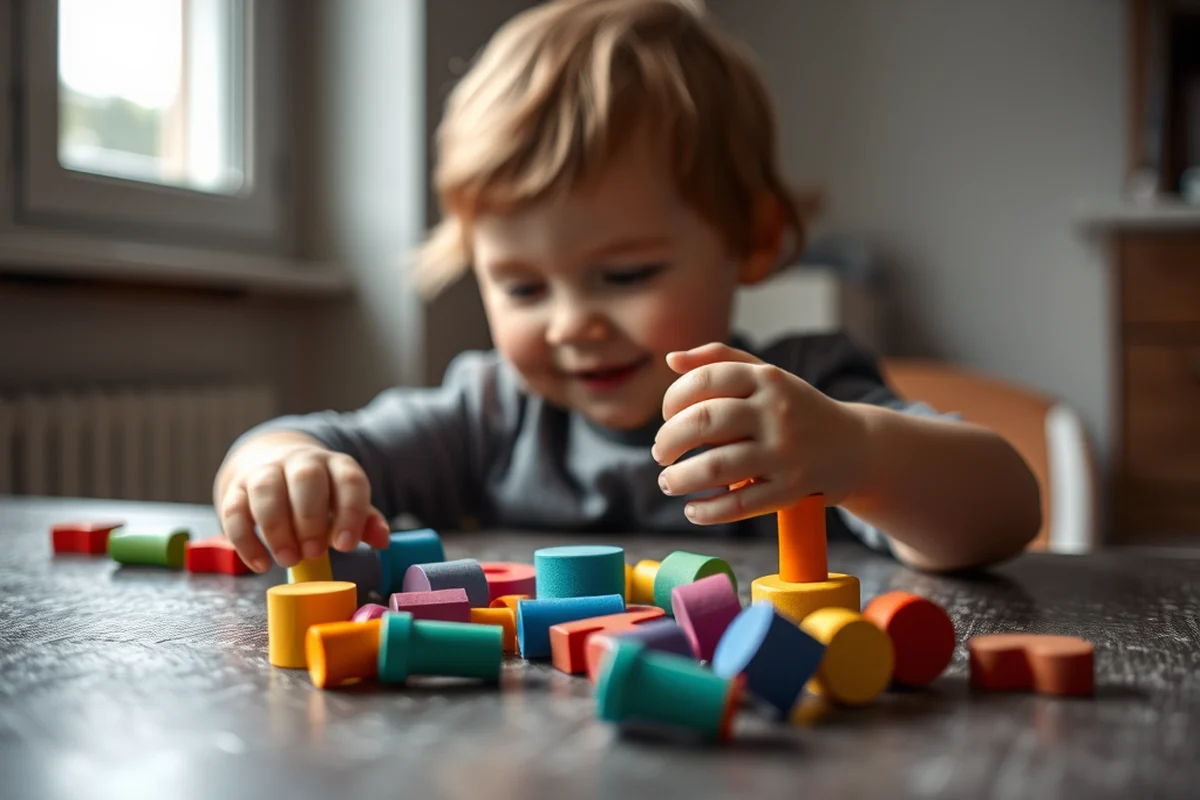
During the fear phase, your child may become anxious about using the potty. I experienced this with my daughter, who would cry if I even mentioned the potty. It wasn't fear of the potty itself, but rather the fear of getting it wrong. She was worried she'd be scolded or that the potty was 'too big' for her. This phase is emotional and can be exhausting for parents.
The key during this phase is to reassure your child that it's okay to make mistakes. I found that using positive reinforcement and celebrating small wins helped a lot. For example, when my daughter sat on the potty even for a moment, I would cheer and give her a sticker. This made her feel safe and supported.
This phase can be unpredictable, and it's important to stay calm. If your child is crying or resisting, try not to react with frustration. Instead, take a deep breath and remind them that it's okay to be scared. My daughter eventually got through this phase when I stopped pressuring her and started focusing on building her confidence.
Fear is a part of the process, but it doesn't have to be the end of the journey.
Related: Best potty training troubleshooting phases
Related: Potty training troubleshooting phases for small spaces
Related: Potty training troubleshooting guide
Related: Potty training troubleshooting phases on a budget
Related: Budget potty training troubleshooting
Related: Potty Training Troubleshooting Phases Ideas
The Breakthrough Phase: Small Wins and Big Progress
Once your child moves past the fear phase, the breakthrough phase begins. This is the phase where small wins start to happen. My son, for instance, sat on the potty and did not go, but that was still a win. It was a sign that he was ready to try again. This phase is all about celebrating progress, no matter how small.
I found that using a sticker chart helped a lot during this phase. Each time my son sat on the potty, I would put a sticker on the chart. He loved watching the chart fill up, and it made him feel like he was achieving something. Even if he didn’t use the potty every time, the sticker chart kept him motivated.
During this phase, consistency is key. I made sure to take my son to the potty at least twice a day, even if he didn't use it. Over time, he started to use it more often, and that was a huge breakthrough. This phase is all about building momentum and showing your child that they can do it.
Even if your child doesn’t use the potty, celebrating their efforts can make a big difference. Use stickers, praise, or small rewards to keep them motivated.
“At 2 years old, my son still had a full-time love affair with the diaper.”— Pottydays editors
The Regression Phase: When Progress Seems to Stall
After making progress, your child may experience a regression phase. This is when they suddenly stop using the potty and go back to using diapers. I experienced this with my daughter after she had made a lot of progress. One day, she just refused to use the potty and started having accidents again. It was a real setback, but it's important to remember that regression is normal.
During this phase, it's best to avoid frustration. I found that going back to basics helped. I started taking my daughter to the potty again, even if she didn’t want to use it. I made it a game and told her that we were going to try again. This helped her feel like we were working together.
Regression can be frustrating, but it's a normal part of the process. I learned that it's important to stay positive and not take it personally. My daughter eventually came out of the regression phase and started using the potty again. It took time, but it was worth it.
The Mastery Phase: Full Potty Independence
Once your child reaches the mastery phase, they’re fully independent with the potty. This is the phase where they no longer need any encouragement or stickers. My son, for example, would just walk up to the potty on his own and use it without any prompting. He had mastered the process and was confident in his ability to use the potty.
During this phase, it's important to maintain the routine. I found that even though my son was using the potty on his own, I still made sure to take him to the potty at least twice a day. This helped reinforce the habit and kept him on track.
This phase is the goal of every parent, and it's a huge milestone. It's a sign that your child has fully transitioned from diapers to the potty and is now in control. It's a moment of pride and relief for parents who have worked so hard to get here.
👶 Gentle Approach
This approach is ideal for sensitive or shy children who need a calm, low-pressure environment to explore the potty.
🚀 Fast-Track Method
This method is designed for children who are ready to transition quickly and can benefit from a structured, goal-oriented plan.
✈️ Travel/away-from-home
This approach is tailored for parents who need strategies for potty training while traveling or in unfamiliar environments.
👯♀️ Multiples
This method is specifically designed for parents with more than one child, helping them manage potty training for multiple kids at once.
🔄 Regression Reset
This approach is for parents who are dealing with a regression phase and need strategies to get back on track.
| The mistake | Why it happens | The fix |
|---|---|---|
| Forcing the potty too early | Forcing your child to use the potty before they are ready can lead to resistance and fear. | Wait until your child shows signs of readiness, such as staying dry for longer periods or showing interest in the potty. |
| Reacting with frustration during setbacks | Reacting with frustration can make your child more anxious and less willing to use the potty. | Stay calm and be reassuring. Focus on positive reinforcement and avoid taking setbacks personally. |
| Ignoring the regression phase | Ignoring a regression phase can lead to a loss of progress and increased frustration for both parents and children. | Acknowledge the regression and go back to basics. Take your child to the potty regularly and celebrate small successes. |
| Not being consistent with the routine | Inconsistency can confuse your child and make the potty training process more difficult. | Maintain a consistent routine and take your child to the potty at least twice a day, even if they don’t use it. |
Potty Training Troubleshooting Phases Checklist
Common Questions
How long does the initial resistance phase usually last?
What should I do if my child is afraid of the potty?
How can I help my child during the breakthrough phase?
What should I do if my child regresses after making progress?
References
- ED 231 525 - ERIC (files.eric.ed.gov)
Cite this guide
Pottydays (2026). Potty Training Troubleshooting Phases Checklist. https://pottydays.com/potty-training-troubleshooting-phases-checklist/
Feel free to cite or share this guide.