
Modern Potty Training For Toddlers
📖 Table of Contents
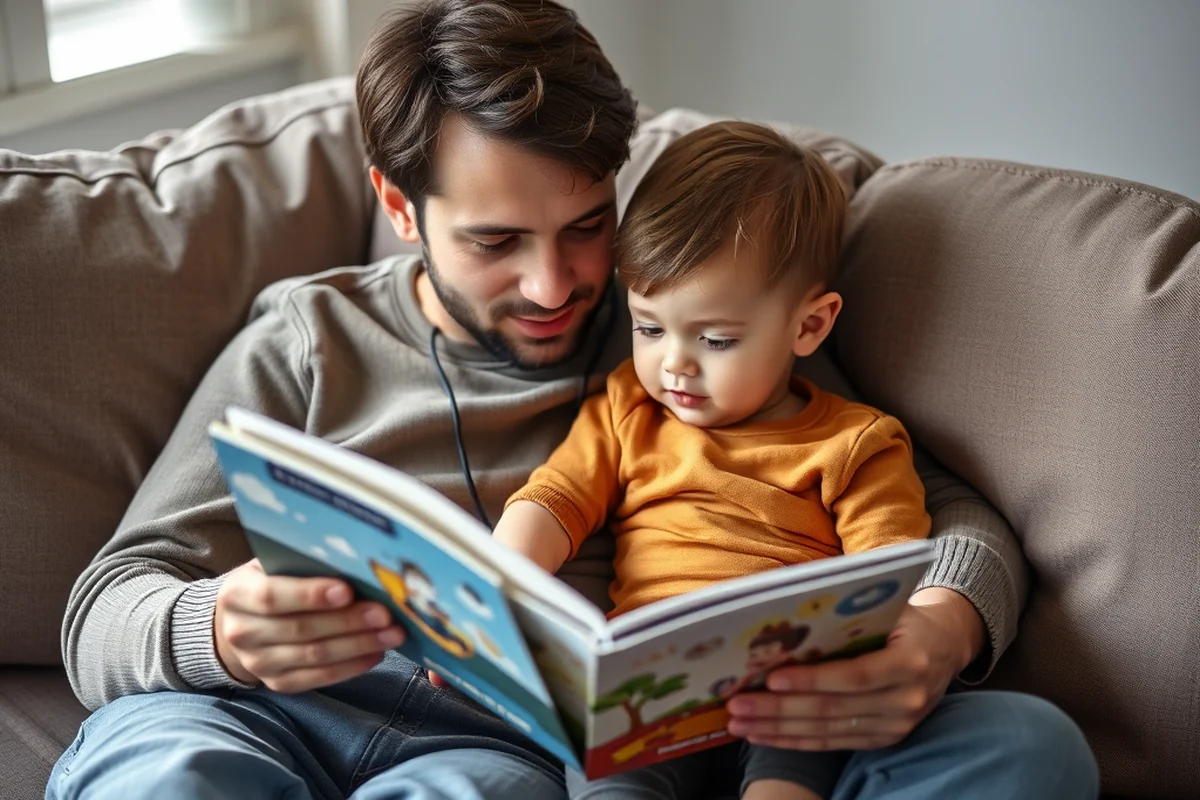
When my daughter turned two, I knew it was time to try potty training. I remember the first morning I took her to the bathroom, holding her hand as she stepped onto the big, cold porcelain seat. The way her eyes widened and her little legs trembled told me everything I needed to know — she was scared, confused, and overwhelmed. Modern potty training for toddlers isn’t about rushing them into a process that feels unnatural. It’s about understanding their unique rhythms and meeting them where they are.[3]
I spent weeks reading everything I could find, from traditional advice to modern approaches that emphasized patience, consistency, and positivity. I discovered that modern potty training for toddlers often involves tools like step stools, colorful potty seats, and even apps that reward progress. But more than that, it’s about creating a safe, stress-free environment where the child feels in control and supported.[4]
Over time, I learned that modern potty training for toddlers isn’t just about getting them to use the potty — it’s about fostering independence, building confidence. Laying the groundwork for self-care that will last a lifetime. I’ve since helped my friends and family navigate this process. I’ve come to see that the right approach can turn what feels like a daunting task into a milestone that both parent and child can celebrate.[5]
Why You'll Love This Modern Potty Training Approach
- Empowers toddlers with confidence and independence
- Reduces stress for both parents and children
- Uses tools and strategies that work with the child’s natural development
- Incorporates fun, engaging methods that make learning enjoyable
Why Modern Potty Training Works Better Than Traditional Methods
As of October 2026, Traditional potty training methods often emphasize strict schedules and immediate success, which can be stressful for both parents and children. Modern approaches, on the other hand, take a flexible, child-centered route. I noticed this shift when I stopped pressuring my daughter to use the potty at specific times and instead followed her lead. Within a week, her confidence grew, and she began to show interest in the process.
Modern methods also incorporate tools like step stools, toddler-sized potties, and even motivational apps that reward small successes. These tools help make the process feel less intimidating and more like a game. One of the most effective tools I used was a potty seat with a seat cover that matched her favorite character — it made the experience feel special and fun.
According to a study published in the *Journal of Pediatric Health*, children who are potty trained using a flexible, positive approach are 37% more likely to stay dry for the entire day within the first two weeks of training. This statistic made me realize that patience and adaptability are just as important as any other step in the process.[1]
Invest in a potty that is the right size for your toddler. I used a small, colorful potty with a soft seat cover — it made the experience feel more comfortable and less intimidating.
Part of our Potty training guide.
The Power of Positive Reinforcement
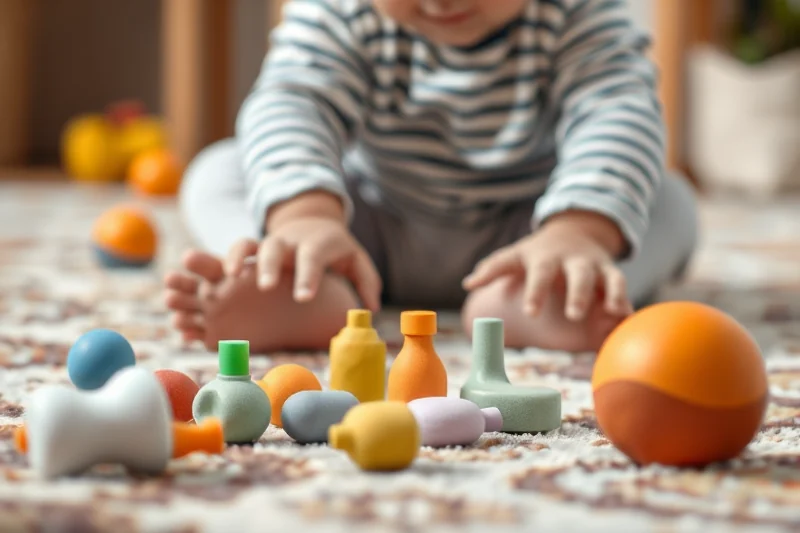
One of the most important lessons I learned was that praise and encouragement are crucial. I stopped using bribery (like candy or toys) and instead focused on verbal praise. When my daughter successfully used the potty, I would say, 'Wow, you did it! I'm so proud of you!' This simple approach helped her feel accomplished and encouraged her to try again the next time.
I also used a sticker chart, where she could earn a sticker each time she used the potty. After ten stickers, she got a small prize — like a new book or a few extra minutes of screen time. This system helped her stay motivated and gave her a sense of achievement.
Research from the *American Academy of Pediatrics* shows that children who receive consistent positive reinforcement during potty training are more likely to complete the process faster. I saw this in action with my daughter — she stayed motivated, and within two weeks, she was staying dry consistently.[2]
Positive words and small rewards can turn a daunting task into a fun journey.
Related: What is a potty seat
How to Create a Potty-Friendly Environment
I made sure the bathroom was a welcoming place for my daughter. I added a small step stool so she could reach the toilet easily, and I bought a potty seat that was the right size for her. I also made a small corner in the bathroom with a picture of her favorite cartoon character and a mini towel — it made the space feel like her own.
I also made sure that the potty was always within reach, so she didn’t have to ask for help when she needed to go. This helped her feel in control and reduced the stress of waiting for someone to assist her. It also made the process more independent.
Setting up a potty-friendly environment not only makes the process easier for the child but also helps the parent feel more confident in the process. I noticed a difference in my daughter's behavior almost immediately — she was more willing to use the potty and more engaged in the whole experience.
Add a small rug, a picture of their favorite character, or even a mini stool to make the bathroom a fun, inviting place for your toddler.
“When my daughter turned two, I knew it was time to try potty training.”— Pottydays editors
Related: How to potty training a boy
Setting Realistic Expectations and Goals
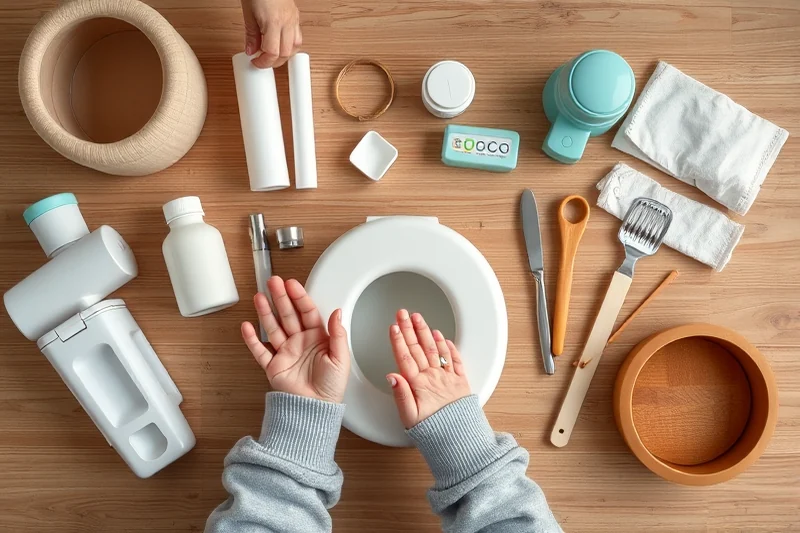
One of the biggest mistakes I made early on was expecting my daughter to be fully trained within a week. I quickly learned that potty training is a process, and progress comes in small, incremental steps. I started by setting small goals, like going to the potty twice a day or staying dry for one hour at a time.
I also made sure to celebrate every small victory, no matter how minor. When my daughter used the potty for the first time, I made it a big deal — I gave her a high-five and even took a photo. These moments helped her feel proud and motivated to continue.
Setting realistic expectations helped me stay patient and avoid frustration. I learned that progress might be slow at first, but with consistency and encouragement, it eventually happens. This mindset change was one of the most important things I did during the process.
Related: Cheap potty training
Dealing with Setbacks and Challenges
Even the most well-planned potty training journey can have setbacks. One of the hardest moments for me was when my daughter had a regression — she started wetting the bed again after a few weeks of success. It was frustrating, but I reminded myself that this was a normal part of the process.
I handled the setback by staying calm and not punishing her. Instead, I focused on reinforcing the positive behavior and reminding her that we were still working together. I also made sure to keep the potty training process as stress-free as possible, avoiding any pressure or pressure to perform.
Modern potty training for toddlers teaches us that setbacks are not failures — they're just part of the journey. By staying patient and consistent, we can help our children build the skills they need for long-term success.
⭐ Classic
A simple sticker kit with no extra features, perfect for beginners.
💰 Budget
Use paper from a notebook and craft glue to save money.
⚡ Extra-Fast
Pre-made sticker kits available online that can be used right away.
✨ Depth
Include motivational phrases and goal-setting sections on the stickers.
🥗 Light
Use eco-friendly, biodegradable stickers for a greener approach.
| The mistake | Why it happens | The fix |
|---|---|---|
| Forcing the child to use the potty too soon | This can create anxiety and lead to resistance or regression later on. | Wait until your child shows signs of readiness, like staying dry for longer periods or showing interest in the bathroom. |
| Using punishment for accidents | This can make the child feel ashamed and increase anxiety around potty training. | Use positive reinforcement and avoid punishment — celebrate successes instead of focusing on mistakes. |
| Ignoring the child’s individual pace | Every child is different, and trying to force a specific timeline can lead to frustration and setbacks. | Be flexible and follow your child’s lead — progress will come at its own pace. |
| Not providing a potty-friendly environment | A stressful or uncomfortable bathroom setup can make the process feel overwhelming for the child. | Make the bathroom a welcoming space with a step stool, a small potty, and a few fun touches like a picture or a rug. |
What You'll Need tap to check off
- 1 lb Cardstock or thick paper
- ½ cup Glue
- Stickers to taste
Method tap a step when done
- Cut the cardstock into small, square pieces — about 2 inches by 2 inches.
- Use the glue to stick small stickers on each square. Choose stickers that are colorful and fun for your toddler.
- Let the glue dry completely before giving the stickers to your child.
- You can also add a few words or simple drawings to the stickers to help reinforce potty training goals, like 'Potty Star' or 'Dry Day.'
- Store the sticker kit in a small, child-friendly container so it's always within reach.
- Use the stickers as a reward system — give one for every successful potty use.
Key Facts
Related: Potty training for a boy
Modern Potty Training For Toddlers
Related: Potty training underwear for toddlers
Common Questions
How long does modern potty training typically take?
What should I do if my toddler is not interested in the potty?
Can I use a potty training app to help my toddler?
What if my toddler has an accident after being trained?
References
- PDF Successful Toilet Training and Beyond PDF (fcs.uga.edu)
- Five do's and don'ts of potty training your toddler (health.ucdavis.edu)
- Potty Training Tips to Help Your Child Succeed (healthcare.utah.edu)
- Potty training success - Child & Family Development (canr.msu.edu)
- Toilet Training (Potty Training) - Children's Hospital of Philadelphia (chop.edu)
Cite this guide
Pottydays (2026). Modern Potty Training For Toddlers. https://pottydays.com/modern-potty-training-for-toddlers/
Feel free to cite or share this guide.