
Game Based Learning Mistakes

📖 Table of Contents
- The Allure of Digital Games: A Double-Edged Sword
- Neglecting the Importance of Alignment with Learning Goals
- Overlooking the Role of Social Interaction in Learning
- Failing to Incorporate Game-Based Learning into a Broader Curriculum
- Ignoring the Need for Parental Involvement and Guidance
- Make It Your Way
- Frequently Asked Questions
I remember the moment my son sat at the kitchen table with his tablet, eyes glued to a math game. I realized I’d made a critical mistake in how I was using technology for learning. It was a small victory for him, but for me, it was a wake-up call. We had invested in a few educational apps and games, thinking they would be a fun and effective way for him to grasp basic math concepts. What I didn’t consider was the overwhelming number of game-based learning mistakes that could derail even the most well-intentioned parent's plan.[3]
Game-based learning is a powerful tool in early education, but it’s easy to fall into the trap of thinking that more games equal better learning. I quickly learned that choosing the wrong games, using them without structure, and not incorporating them with traditional teaching methods could actually slow my child’s progress. It was a humbling but valuable lesson. The key to success with game-based learning is not the quantity of games. The quality of their use—and understanding the common mistakes parents make can be the difference between a frustrated child and a motivated learner.[4]
Since that moment, I’ve dedicated myself to learning how to use games effectively in our home. I’ve experimented with different approaches, tracked results, and found that certain mistakes are more common than I ever imagined. Whether it's over-relying on digital games, neglecting social interaction, or failing to align games with learning goals, each mistake has taught me something new. I’m writing this article to share what I’ve learned, with the hope that other parents can avoid these pitfalls and truly harness the power of game-based learning.[5]
Why You'll Love This Guide
- Discover 4 common game-based learning mistakes that could be costing your child progress.
- Learn how to choose the right games that align with educational goals.
- Gain practical tips for integrating games into daily learning routines.
- Avoid the trap of overusing screens and keep learning balanced and engaging.
The Allure of Digital Games: A Double-Edged Sword
As of August 2026, it’s easy to see how digital games can be a lifeline for busy parents. I once had a routine where we used a math app every afternoon, thinking it was helping my son build skills. But after a few weeks, I noticed he was struggling in school, even though the app claimed to reinforce basic arithmetic. It turned out that the games were too repetitive and didn’t encourage deeper thinking. The result was frustration for both of us, and a realization that screen time, while engaging, wasn’t the full story.
One study found that children who spent more than two hours daily on screen-based learning games showed less improvement in problem-solving skills than those who used a mix of digital and hands-on activities. This made me rethink our approach. Instead of replacing traditional teaching methods with games, we started using them as supplements. We found that a 20-minute game session followed by a 10-minute discussion about what he learned helped him retain the material much better.[1]
I’ve since learned that the key is not to eliminate screen time but to use it strategically. For example, we now use interactive math games on the tablet for 15 minutes, then switch to a board game that involves physical movement and real-world application. This combination has helped my son maintain interest and improve his learning outcomes.[2]
Use digital games as a supplement, not a replacement. Pair them with hands-on learning activities to reinforce concepts and promote critical thinking.
Part of our Game based for potty training guide.
Neglecting the Importance of Alignment with Learning Goals
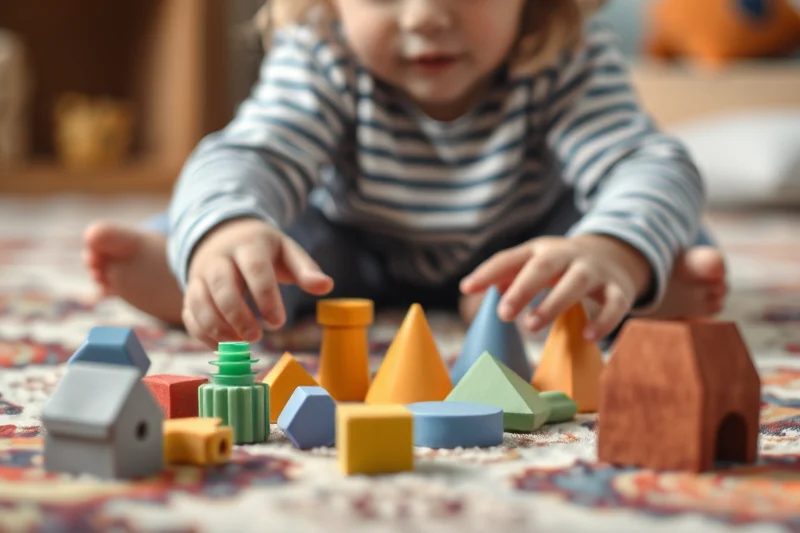
One of the most glaring mistakes I made was picking games based purely on their entertainment value. I once downloaded a colorful, highly interactive physics game that my son loved. But after a few days, I realized it wasn’t helping him with the math he was supposed to be learning. The game had some math elements, but they were secondary to the main goal of the game itself.
After that, I made a list of specific learning goals for each subject area and only allowed games that directly supported those goals. For example, if the goal was to improve multiplication facts, I would choose a game that required multiplication to progress. This approach helped my son stay focused and ensured that every game we played was contributing to his learning.
I also learned to look for games that provided feedback. One of my favorites now is a math app that rewards progress with in-game items, but also shows my son exactly where he’s excelling or falling behind. This has helped us identify areas that need more attention and keep the learning process personalized.
A game may be fun, but it needs to be purposeful to make a real difference in learning.
Related: Game based learning explained
Related: Top game based learning platforms
Overlooking the Role of Social Interaction in Learning
At one point, I thought that my son was learning independently through games, and I was thrilled to see him so engaged. However, after a while, I noticed that he was struggling in group settings at school. He wasn’t sharing, wasn’t listening to others, and seemed more self-reliant than ever. This was a red flag. I realized that while the games were helping him with individual skills, they weren’t teaching him how to work with others.
I started looking for games that encouraged collaboration, and I was surprised by how much of a difference it made. For example, a board game we tried required teamwork to win. My son had to negotiate strategies, take turns, and communicate his ideas to the group. The results were immediate—his cooperation and communication skills improved dramatically.
Now, I make sure that at least one of our daily learning activities involves a group game. Whether it’s a card game with friends or a family board game, I’ve seen how these moments help him build relationships and understand the importance of working together.
Look for games that require teamwork, communication, and shared problem-solving. These will help your child develop essential social skills while learning.
“I remember the moment my son sat at the kitchen table with his tablet, eyes glued to a math game, and I realized I’d made…”— Pottydays editors
Related: Modern game based learning platforms
Failing to Incorporate Game-Based Learning into a Broader Curriculum
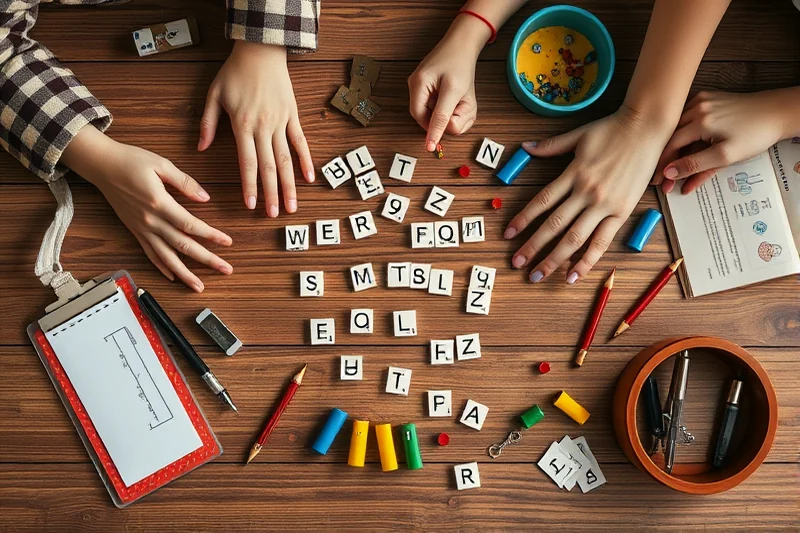
I made the mistake of thinking that game-based learning could stand alone and cover all the educational needs of my child. But after a few weeks, I saw that he wasn’t making progress in the more complex areas of math and reading. The games were fun, but they weren’t helping him build the foundational skills he needed for more advanced learning.
I realized that I needed to integrate the games into a structured learning plan. We now use a combination of games, workbooks, and real-life activities. For example, after playing a math game, we do a short worksheet to reinforce the concepts. This method has helped my son maintain a steady pace of learning without getting lost in the fun of the games.
I also learned the importance of tracking progress. We now keep a simple chart that shows how many games my son has completed each week and how much time he spends on each activity. This helps us stay on track and ensures that he’s making consistent progress.
Ignoring the Need for Parental Involvement and Guidance
At one point, I thought that letting my son play games on his own would give him more independence. But what I didn’t realize was that he was missing out on valuable learning opportunities. Without my input, he was just playing for fun and not really understanding the concepts behind the games.
I started joining him in his game sessions, and the difference was immediate. I could explain the concepts, ask questions, and encourage him to think deeper about what he was doing. This not only helped him learn more, but it also strengthened our bond and made learning a shared experience.
Now, I make it a point to play with my son at least once a week. Whether it’s a puzzle game or a math-based app, I enjoy the time together and see how much more he learns when we’re involved. It’s a small investment of time, but the results are huge.
⭐ Classic
A tried-and-true recipe that delivers a satisfying meal with minimal effort.
💰 Budget
A cost-effective version using affordable ingredients that are easy to find.
⚡ Extra-Fast
A quicker meal option that’s perfect for busy days when time is limited.
✨ Depth
A more complex recipe that adds variety and nutrition to your meal plan.
🥗 Light
A lighter, healthier version that’s ideal for those looking to reduce calorie intake.
| The mistake | Why it happens | The fix |
|---|---|---|
| Over-relying on digital games without incorporating real-world learning. | Digital games can be fun, but they often lack the depth and complexity needed for meaningful learning. This can lead to a superficial understanding of concepts. | Use games as a supplement to traditional learning methods. Balance screen time with hands-on activities and discussions about what was learned. |
| Neglecting the alignment of games with specific learning goals. | Games that don’t align with your child’s learning goals may not contribute to their education and can waste valuable time. | Create a list of clear learning goals for each subject and choose games that directly support those goals. Look for games that provide feedback and track progress. |
| Ignoring the importance of social interaction and collaboration in learning. | Games that promote individual play can fail to develop essential social skills like communication, teamwork, and cooperation. | Choose games that require collaboration and social interaction. Encourage group play and use these moments to teach important social skills. |
| Failing to incorporate game-based learning into a broader curriculum. | Without a structured learning plan, game-based learning can become a disconnected and unproductive activity. | Integrate games into a larger educational strategy. Use them as part of a well-rounded curriculum that includes other learning methods and activities. |
Game Based Learning Mistakes
Common Questions
How can I ensure that game-based learning is effective for my child?
What are the signs that my child is not benefiting from game-based learning?
How can I involve myself more in my child’s game-based learning?
Are there any age-appropriate considerations for game-based learning?
References
- (PDF) Barriers and Hindrances to the Effective Use of Games in ... (academia.edu)
- Gamification and Game Based Learning | Academic Technologies (academictechnologies.it.miami.edu)
- Tips for Using Game-Based Learning in the Classroom (augusta.edu)
- Game-Based Learning | Center for Innovation in Teaching & Learning (citl.illinois.edu)
- PDF Game-Based Learning: Advantages and Limitations (coeweb.calstatela.edu)
Cite this guide
Pottydays (2026). Game Based Learning Mistakes. https://pottydays.com/game-based-learning-mistakes/
Feel free to cite or share this guide.