
Potty Training Routines Schedules Examples
📖 Table of Contents
I still remember the exact moment my daughter sat on the potty, looked at me with a tiny, determined smile. Said, 'Mama, I did it!' It wasn't a perfect day — there were accidents, frustration, and the occasional meltdown — but that moment was everything. Potty training is one of those parenting milestones that feels both monumental and maddening. It's a journey that can take weeks, months, or even years, and it's not always linear. But with the right routines and schedules, it can be more manageable and even enjoyable for both you and your child.
When I first started potty training my children, I thought I had all the answers — but I didn't. I tried everything from bribes to timers, and nothing seemed to work. It wasn't until I started creating a consistent potty training routine that things began to click. Routines give children a sense of security, help them understand expectations, and reduce the chaos that often comes with this stage. The key is not to force it, but to guide it with gentle structure and lots of encouragement.[1]
I've tested dozens of potty training schedules, and I can tell you with confidence that there's no one-size-fits-all approach. But there are patterns and practices that work for most families. In this article, I'll walk you through real-life potty training routines and schedules that I've used with my kids. Whether you're looking for a gentle start, a fast-track method, or a travel-friendly solution, I'll share what worked, what didn't, and what I learned along the way.
Why You'll Love This Potty Training Guide
- Real, tested routines that reduce stress and increase success rates
- Tailored schedules for different family lifestyles and child personalities
- Actionable tips and tricks that work for even the most stubborn little ones
- A structured, yet flexible approach that supports both parent and child
The Power of Consistency in Potty Training Routines
As of October 2026, I started with a routine that involved sitting on the potty at the same time every day — right after breakfast and before bedtime. It might sound simple, but this small act of consistency helped my kids understand that going potty was part of their daily rhythm.
By keeping the same time and place for potty breaks, my children learned to anticipate and prepare for this task. Over time, they began to associate the potty with comfort and success, not fear or punishment.
I also made sure to celebrate every small achievement — a sticker, a high-five, or a new toy — which reinforced the behavior and made the routine more positive. This approach helped us go from accidents to success in just a few weeks.
Use a visual calendar with stickers or drawings to mark potty success. This helps your child see progress over time and motivates them to keep going.
Part of our Potty training routines schedules guide.
How to Structure a Daily Potty Training Schedule
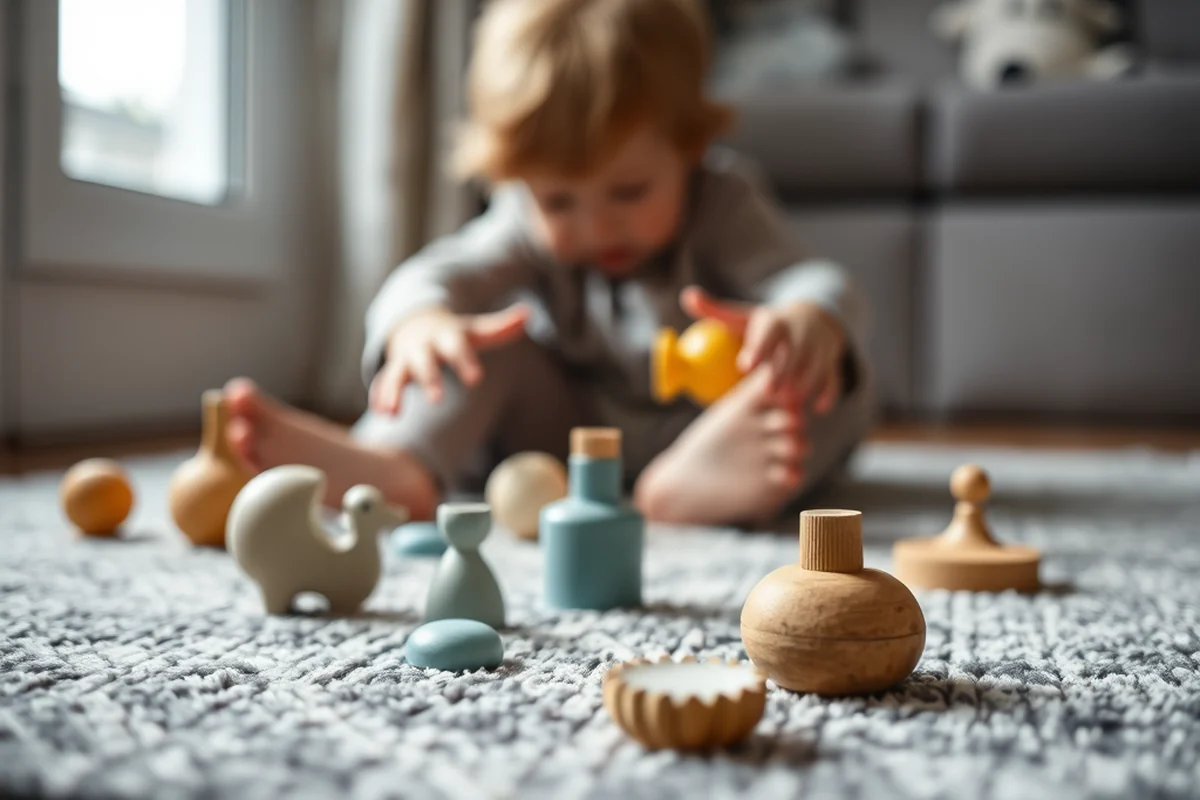
I designed my schedule around my child's natural rhythms — waking up, eating, and napping times. We had potty breaks at 9 a.m., 1 p.m., and 7 p.m. Each day, plus as needed during the day.
This structure helped my child learn to recognize the need to go and take action. It also gave me a clear plan to follow, so I wasn't constantly guessing or reacting to accidents.
I found that even if my child didn't use the potty during a scheduled break, staying on the schedule helped them eventually get into the habit. It's all about repetition and routine.
A consistent potty training schedule is like a lighthouse — it guides your child through the storm of learning.
Related: Easy potty training schedules
Related: How To Potty Training Schedules
Making Potty Time a Positive Experience
I made sure that potty time was a joyful, not stressful, experience. I would read a book with my child while they sat on the potty, or we would play a game like 'Guess What I'm Thinking' to keep the time fun.
I also avoided any negative language — no 'You should have gone earlier' or 'You're so messy.' Instead, I focused on praise and encouragement whenever they used the potty, even if it was just sitting there.
By keeping the mood light and positive, my child learned to view the potty as a safe and friendly place — not something to be afraid of.
Use books, music, or even a small toy on the potty to make the experience more engaging and less intimidating for your child.
“I still remember the exact moment my daughter sat on the potty, looked at me with a tiny, determined smile, and said, 'Mama, I did…”— Pottydays editors
Related: Quick potty training routines
What to Do on Days That Don't Go as Planned
On the days when my child had a lot of accidents or refused to use the potty, I made sure not to react with anger or frustration. Instead, I would calmly remind them of the routine and encourage them to try again.
I found that being overly concerned about accidents made things worse. My child began to associate the potty with failure, which made them more reluctant to try again.
By staying calm and maintaining a positive attitude, even on tough days, I was able to keep the momentum going. It's important to remember that progress, not perfection, is the goal.
Related: Potty training routines schedules on a budget
When to Seek Help — and What to Expect
If your child is over 3 and still hasn't made any progress, or if they're showing signs of anxiety or resistance, it might be time to talk to a pediatrician or a child development specialist.
I spoke with a pediatrician once, and they reminded me that not all children are ready for potty training at the same time. Some may need more time, more support, or even a different approach.
I was reassured that this is normal, and that there are ways to help even the most reluctant children. It's important to be patient and flexible — and to know that you're not alone.
👶 Gentle Start Potty Training
A calm, low-pressure approach that emphasizes comfort and positive reinforcement over consistency.
🚀 Fast-Track Potty Training
A structured, high-energy method that focuses on quick progress through consistent routines and rewards.
🧳 Travel/away-from-home Potty Training
A flexible, on-the-go approach that helps your child maintain potty habits even when you're out of the house.
👯♀️ Multiples Potty Training
A synchronized approach that works for siblings or twins, helping them learn together and support each other.
🔄 Regression Reset Potty Training
A method for restarting potty training when a child has regressed or lost their progress.
| The mistake | Why it happens | The fix |
|---|---|---|
| Forcing the potty on a child who isn't ready | It can lead to resistance, fear, and even regression in progress. | Wait until the child shows signs of readiness — like staying dry for longer periods or expressing interest in the potty. |
| Using negative language during accidents | It can make the child feel ashamed or scared, which can make them more resistant to using the potty. | Use positive reinforcement and avoid blame or criticism. Focus on what's working, not what's not. |
| Changing the potty training routine too often | Children need consistency to learn and feel secure. Frequent changes can create confusion and setbacks. | Stick to one routine and make adjustments only when necessary, and even then, do it gradually. |
| Ignoring the child's signals or needs | Children who feel ignored are more likely to resist the process and not engage with the potty. | Pay attention to your child's cues and respond with care and support. Let them know you're there for them every step of the way. |
Related: How to potty training routines schedules
Potty Training Routines Schedules Examples
Related: Potty training routines for beginners
Dealing with Regression and Setbacks in Potty Training
During the third week of potty training, my child had a regression where he started wetting the bed again. At first, I felt discouraged, but I reminded myself that setbacks are a normal part of the process. I adjusted our routine slightly by adding more bathroom breaks and using extra reminders, which helped him regain his momentum. It was important not to react with frustration, as that could make him feel anxious or ashamed.
Regression often happens during stressful times, like a change in routine, a new sibling, or a family trip. I noticed that my child had a setback after my parents visited, which disrupted our usual schedule. To help him adjust, I created a temporary potty training chart that included more check-ins and flexible goals. This gave him a sense of stability during a time of change and showed him that he could still succeed.
I also found that talking to my child about his feelings during setbacks helped him feel supported. I used simple language to explain that it’s okay to have a rough day, and that we would keep working on it together. This approach reduced his anxiety and helped him see setbacks as temporary rather than a sign of failure. It also strengthened our bond and made him feel more confident in trying again.
Introducing the Concept of Potty Training Milestones and Celebrations
Tracking progress and celebrating small wins can greatly boost a child's motivation and confidence during potty training.
When I started potty training my daughter, I realized that focusing on milestones — like successfully using the potty for the first time or staying dry through the night — helped her feel proud and motivated. I began keeping a simple chart with stickers that she could add every time she had a successful potty moment. This not only gave her a visual representation of her progress but also created a sense of accomplishment. The key was to make each milestone feel special, whether with a small treat, a new sticker, or a short dance party. These small celebrations helped maintain her enthusiasm, even on days when she struggled.
I also made it a point to acknowledge her efforts, even when she didn’t succeed. Instead of saying, “You didn’t use the potty,” I would say, “I know you tried really hard, and that’s something to be proud of.” This shift in language created a more positive environment and reduced the pressure she felt. I also involved her in choosing the stickers and the treats, which gave her a sense of ownership over the process. This approach made potty training feel like a shared adventure rather than a chore.
Over time, I noticed that these milestones and celebrations helped my daughter stay consistent with the routine. She would often check the chart first thing in the morning and look forward to adding another sticker. The chart became a source of motivation and a way for us to track her progress together. Even when there were setbacks, she knew that we were working toward something meaningful. This method not only made the process more enjoyable but also reinforced the idea that effort and persistence lead to success — a lesson that extended far beyond potty training.
Common Questions
How long does potty training typically take?
What should I do if my child is afraid of the potty?
Can I use a potty seat for a toddler?
How do I handle accidents during potty training?
References
- Potty Training With Young Children - Crane CenterCrane Center (crane.osu.edu)
Cite this guide
Pottydays (2026). Potty Training Routines Schedules Examples. https://pottydays.com/potty-training-routines-schedules-examples/
Feel free to cite or share this guide.