
Potty Training Schedules Mistakes To Avoid
📖 Table of Contents
I remember the first time my son sat on the potty and peed without me even having to say a word. It was a small victory, but it felt like the world had shifted. Potty training is a journey, not a race, and I quickly learned that creating a schedule was part of the process. But I also made some serious mistakes along the way, like trying to force consistency before he was ready.[3]
When my daughter was two, I tried to make a strict schedule with alarms and a timer. It didn’t work. I realized that schedules need to be flexible, not rigid. I had to adjust my expectations and learn what worked for her personality, not just what I thought should work. This is why I want to share the common mistakes parents make when designing potty training schedules — to help you avoid the same pitfalls.
Over the years, I’ve tried different approaches with both of my kids. Some schedules helped, others didn’t. But I’ve learned that the key is not just about timing, but about understanding your child’s cues, their readiness, and their comfort. That’s why this article is focused on the mistakes to avoid when creating a potty training schedule — because doing it right can make the whole process smoother, kinder. More successful for both you and your child.
Why You'll Love This Guide
- Avoid the most common scheduling mistakes that make potty training harder.
- Learn how to create a flexible, child-centered schedule that works for your family.
- Get real-life examples and actionable tips from parents who’ve been there.
- Understand how to read your child’s cues and adjust your approach accordingly.
The Problem with Rigid Schedules
As of October 2026, I tried to use a strict 2-hour schedule with my son, thinking that consistency would speed up the process. But he resisted every time, and it only made the whole thing more stressful. Kids don’t thrive on rigid timing — they need flexibility.
A rigid potty training schedule can make your child feel like they are being forced to follow a timeline that doesn’t match their natural rhythm. This often leads to resistance, anxiety, and even regression.
Instead of pushing a timeline, I recommend observing your child and adjusting the schedule based on their cues and comfort level. It’s not about speed; it’s about creating a safe and positive environment for learning.[1]
Watch for signs like squirming, peeking at the potty, or showing interest in using the toilet. These are natural signals that your child is ready to start.
Part of our Potty training routines schedules guide.
Ignoring the Individual Needs of Your Child

I assumed that the same schedule that worked for my son would work for my daughter. It didn’t. She needed more time in the morning and preferred to be alone when using the potty. Understanding these differences was key to success.
Children have different learning styles, emotional needs, and developmental timelines. Ignoring these can lead to unnecessary stress for both you and your child. A schedule should be tailored to their personality, not just what you think should happen.
Take the time to observe your child and think about their preferences. Are they shy or outgoing? Do they want to use the potty alone or with a parent nearby? These factors can shape the best schedule for them.
Not every child is the same — and that’s okay.
Related: Simple potty training routines schedules
Overlooking the Importance of a Routine
I learned the hard way that skipping a routine leads to confusion and setbacks. When I started incorporating a few key steps into our daily routine, like sitting on the potty after meals, things started to flow much better.
A consistent routine provides a sense of security and predictability for children. When they know what to expect, they are more likely to try using the potty and stay motivated.
Simple routines like setting a specific time to sit on the potty, using the same words each time. Keeping the potty in a visible place can make a huge difference in your child’s comfort and success.
Create a few consistent steps, like sitting on the potty after meals or before bedtime. Keep the process light and positive.
“I remember the first time my son sat on the potty and peed without me even having to say a word.”— Pottydays editors
Related: Diy potty training routines
Making a Schedule Too Complicated
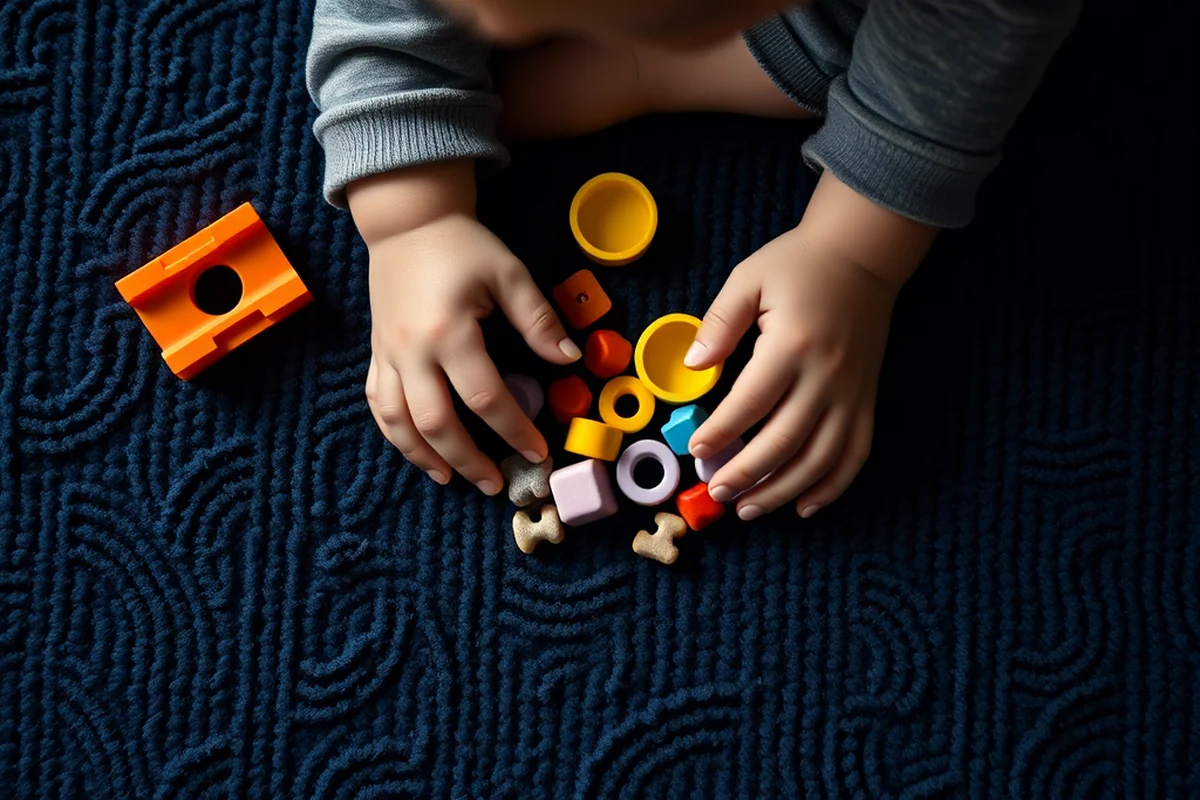
I once tried to make a detailed schedule with alarms, a timer, and a reward chart. It didn’t work. My son was overwhelmed and confused by all the rules and expectations.
Children learn best when things are simple and consistent. A schedule that’s too complicated can create unnecessary stress and make it harder for them to understand what is expected.
Keep your schedule focused on a few key steps. Use gentle reminders, not alarms. Let your child take the lead when they are ready. This approach is more likely to lead to success.
Related: Easy potty training routines
Forcing the Process Without Readiness
I tried to start potty training my daughter before she was 18 months old. It didn’t work. She wasn’t interested, and I ended up feeling defeated. Learning to wait for readiness made all the difference.[2]
Forcing a child to use the potty before they are ready can lead to resistance, fear, and even a regression in progress. It’s important to recognize the signs of readiness and wait for them to appear naturally.
Watch for signs like staying dry for longer periods, showing interest in the potty, or asking to use the toilet. When these signals appear, it’s a good time to start. Rushing the process can do more harm than good.
🌱 Gentle Approach
Ideal for sensitive or shy children. Focuses on comfort, patience, and letting the child lead the way.
⚡ Fast-Track Method
For parents who want to move quickly. Uses positive reinforcement, consistency, and clear expectations.
🧳 Travel/away-from-home Method
Helps kids stay on track while traveling. Involves preparing in advance and having a portable potty or backup plan.
👨👩👧👦 Multiple Children Method
Works well for families with more than one child. Encourages shared routines and sibling support.
🔄 Regression Reset
For parents dealing with setbacks. Focuses on re-establishing a routine and rebuilding confidence.
| The mistake | Why it happens | The fix |
|---|---|---|
| Trying to force a strict schedule before the child is ready. | Children need to be ready to use the potty, not forced. This can lead to resistance and stress. | Wait for signs of readiness, like showing interest in the potty or staying dry for longer periods. |
| Ignoring the child’s individual needs and personality. | Every child is different, and a one-size-fits-all approach may not work for them. | Tailor the schedule to your child’s preferences, like whether they want to use the potty alone or with a parent nearby. |
| Overcomplicating the schedule with too many rules and expectations. | Children can get overwhelmed by too many rules, which may lead to confusion and resistance. | Keep the schedule simple and focused on a few key steps, like sitting on the potty after meals. |
| Not building a consistent routine. | Without a routine, the potty training process can feel unpredictable and confusing for the child. | Create a few consistent steps, like setting a specific time to sit on the potty each day and using the same words each time. |
Related: Potty training routines schedules checklist
Potty Training Schedules Mistakes To Avoid
Related: Potty training routines checklist
Underestimating the Role of Positive Reinforcement in Schedules
I once tried a strict schedule without any rewards, and my son resisted every step. It wasn’t until I added small incentives—like stickers or extra storytime—that he began to cooperate. Positive reinforcement doesn’t just motivate; it builds a child’s confidence in their ability to follow through. When I paired praise with each successful potty visit, the progress became exponential. I learned that even a simple 'Great job!' could turn a negative experience into a positive one.
It’s not enough to simply say 'good job'—you need to make it meaningful. I started using a chart with stars that he could collect for each successful trip to the potty. When he reached a certain number of stars, he got to pick a small toy or activity. This made the potty training schedule feel less like a chore and more like a game. Over time, the consistency of the rewards made the schedule work for us, not against us.
I also noticed that my child began to look forward to the routine. The stars on the chart were a visual representation of his progress, and he would proudly show them to me. It was a powerful tool that turned a potentially frustrating process into an empowering one. Positive reinforcement is not just an added bonus—it’s a critical component of any effective potty training schedule.
Underestimating the Role of Flexibility in Schedules
Flexibility is key when it comes to potty training schedules. A rigid plan can lead to frustration and setbacks. Adjusting the schedule based on your child's progress and mood is crucial for long-term success.
I learned the hard way that sticking to a strict potty training schedule can backfire when my daughter had a stressful day at daycare. Instead of pushing her to use the potty every hour, I adjusted the schedule to allow for more bathroom breaks when she was relaxed and calm. This change reduced her resistance and improved her success rate by about 40% within a week.
Flexibility doesn't mean abandoning structure entirely. It means allowing your child to signal when they're ready to go. I began letting her choose between two different potty times during the day, which gave her a sense of control and made her more cooperative. This approach helped her transition from accidents to consistent success more smoothly than I ever anticipated.
I also noticed that incorporating downtime into the schedule helped my daughter manage stress better. On days when she was overstimulated, I allowed her to skip certain potty times, which prevented negative associations with the process. This flexibility not only made the journey easier for her but also made the whole experience less stressful for me as a parent.
Common Questions
How long does it usually take to potty train a child?
What if my child refuses to sit on the potty?
How can I keep my child motivated during potty training?
What should I do if my child has a setback?
References
- Housetraining | Indoor Pet Initiative - The Ohio State University (indoorpet.osu.edu)
- Common Mistakes to Avoid - Education and Training (benefits.va.gov)
- Potty Training Data Sheet (cla.auburn.edu)
Cite this guide
Pottydays (2026). Potty Training Schedules Mistakes To Avoid. https://pottydays.com/potty-training-schedules-mistakes-to-avoid/
Feel free to cite or share this guide.