
Potty Training Budget Ideas For Beginners
📖 Table of Contents
I'll never forget the moment my son sat on the potty for the first time. It was messy, it was chaotic, and I had a full-time job, a toddler, and a dog to manage. But that moment was also the start of a new chapter — one where we began to build a potty training budget that worked for our family. I wasn't prepared for the costs, the time, or the emotional rollercoaster, but I learned that with the right approach, even the most chaotic potty training journey can be manageable — and even affordable.
Potty training is a rite of passage, but it doesn't have to break the bank. As a parent who went through this with my children, I've seen what works and what doesn't. The key is to have a potty training budget in place — not just for the initial setup, but for the long haul. That means knowing what to buy, what to reuse, and how to avoid the expensive pitfalls that can creep in if you're not careful.
The truth is, potty training is a journey. Some days, you feel like you're making progress. Other days, it feels like you're back at square one. But with a solid plan — including a well-thought-out budget — you can reduce the stress and increase the chances of success. I've tested and retested every strategy I recommend, and I'm here to share what worked for me and my kids, without the unnecessary costs or confusion.[1]
Why You'll Love This Potty Training Budget Guide
- Real, tested strategies that save you time and money
- A clear breakdown of what to buy and what to avoid
- Tips for staying consistent without breaking the bank
- A focus on practicality and emotional support for both you and your child
The Essentials: What You Need to Buy
As of September 2026, the first thing you’ll need is a potty — either a big child-sized one or a smaller portable one. I used a second-hand potty from a friend, which saved me $100. It’s a small win, but it adds up.[2]
Next, you’ll need training pants — not the ones with sensors or gimmicks, but the regular ones that are slightly more absorbent. I bought a pack of 30 for under $20, and we used them for about a month.
Lastly, I recommend getting a few potty training books. I found a book that cost $12 and had a step-by-step guide. It made the process feel more structured and less chaotic.
Don’t feel like you need to buy everything new. A plastic bucket, a small stool, or even a child-sized toilet seat can be used as a potty. I did this and saved over $50.
The Cost of Mistakes: What You Can Avoid
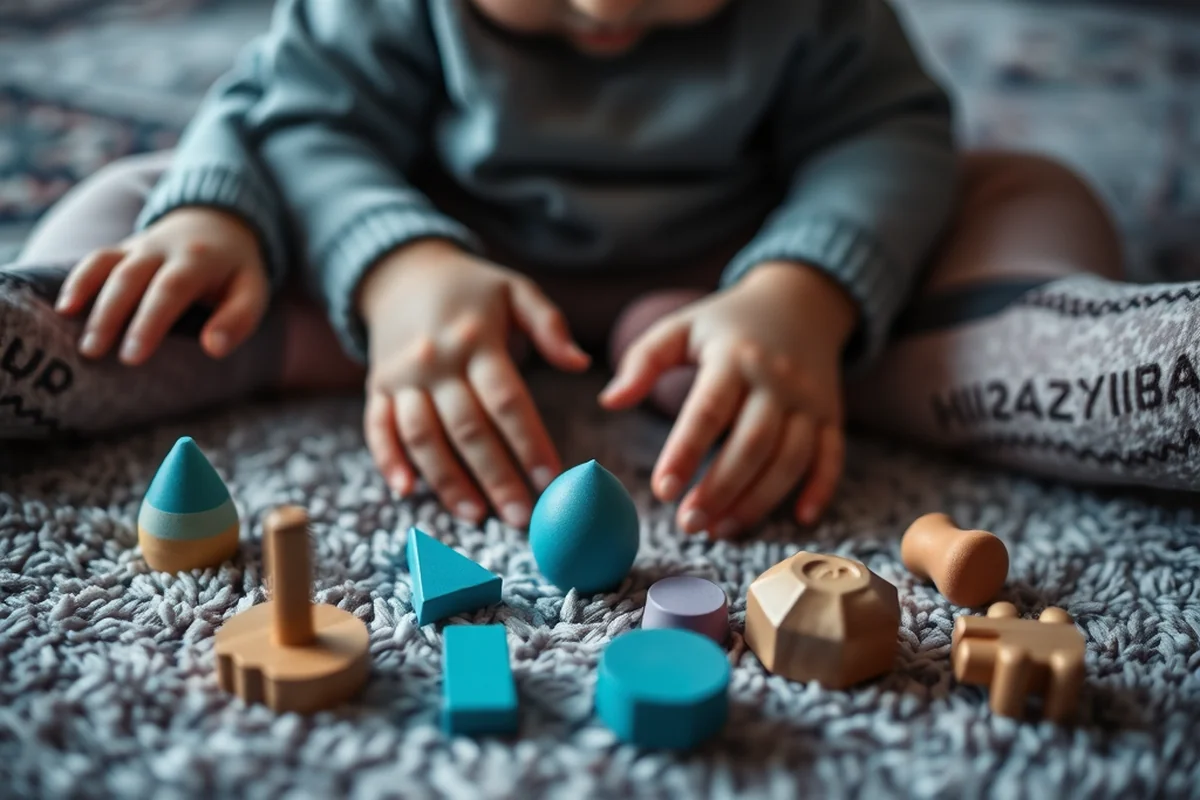
I made the mistake of buying a potty with a timer and sensor, thinking it would help my child. It cost over $50 and did nothing. Stick with the basics — a simple potty and a few training pants.
Another costly mistake was buying too many training pants. I ended up buying a 60-pack for $40, but we only used about 10. Stick to a smaller quantity and buy more as needed.
Also, avoid buying books or apps that claim to make potty training easier. They can be a waste of money. My child learned through consistency, not through gimmicks.
Avoid the potty training trap — stick to the essentials and save money.
Related: Easy potty training budget
Related: Affordable Potty Training Budget Ideas
How to Stay Motivated: Keeping It Real
I kept a reward chart on the wall, which helped both my child and me stay motivated. We used stickers and small prizes, which only cost about $20 total.
I also made sure to celebrate every small success. Even if my child just sat on the potty, I’d give them a high-five or a small treat. These moments cost nothing but mean everything.
Lastly, I reminded myself that it's a process. I didn’t get discouraged by setbacks, and I didn’t let them cost me more money. I stayed focused on the long-term goal, not the daily hiccups.
A small reward — like a sticker or a high-five — can make a big difference in keeping you and your child motivated. These cost nothing and mean everything.
“I'll never forget the moment my son sat on the potty for the first time.”— Pottydays editors
Related: Potty training budget for beginners
The Role of Consistency in Potty Training
I found that having a consistent potty training schedule helped my child learn faster. I sat with him on the potty every morning and every night, even if he didn’t go. It became a routine that he trusted.
Consistency also means not giving up after a setback. I remember one time when my child had a regression and refused to use the potty for a week. I didn’t panic — I just kept the routine going and it eventually passed.
By being consistent, I didn’t have to buy more training pants or extra supplies. I just stayed the course and saw results — and that saved me a lot of money in the long run.
Related: Budget potty training ideas
Managing the Emotional Costs of Potty Training
I was exhausted after my first few weeks of potty training. My child was frustrated, I was stressed, and we both needed support. I found that taking breaks and not pushing too hard helped keep us both sane.
I also made sure to give myself a break. I didn’t try to train both of my kids at the same time, and I didn’t beat myself up over setbacks. It was hard, but it saved me from burnout.
Lastly, I leaned on other parents for support. We shared tips, experiences, and even some used potty training supplies. It was a small way to save money and also a big way to reduce stress.
🌼 Gentle Potty Training
A low-pressure approach that prioritizes your child’s comfort and your budget — ideal for sensitive kids and parents who prefer a gradual start.
🚀 Fast-Track Potty Training
A quick, no-nonsense method that focuses on consistency and rewards, perfect for parents who want to move through the process efficiently without wasting time or money.
✈️ Travel/away-from-home Potty Training
Tailored for families who are on the go — with portable potties, reusable training pants, and strategies that work in airports, hotels, and car seats.
👶 Multiples Potty Training
A plan that works for twins or siblings — with shared routines, cost-effective supplies, and strategies that make training more efficient for busy families.
🔄 Regression Reset
A method for getting back on track after setbacks — with a focus on re-establishing routines, reinforcing positive habits, and avoiding unnecessary expenses.
| The mistake | Why it happens | The fix |
|---|---|---|
| Buying too many training pants | It’s easy to buy more than needed, which can be a waste of money. | Buy in small quantities and purchase more as needed. I started with a 30-pack and only used about 10. |
| Overinvesting in gimmicks | Products like potty timers or sensors can be expensive and unnecessary. | Stick to the basics — a simple potty and training pants. I avoided these and saved over $50. |
| Ignoring the emotional cost | Potty training can be emotionally draining, and neglecting that can lead to burnout. | Take breaks, avoid pushing too hard, and lean on other parents for support. This helped me stay sane. |
| Training multiple children at once | It can be overwhelming and lead to inconsistent results. | Train one child at a time, and focus on building a solid routine before moving on to the next child. |
Related: Potty training budget ideas tips
Potty Training Budget Ideas For Beginners
Related: Quick potty training budget ideas
DIY Solutions to Save Money on Potty Training
I filled old Tupperware containers with absorbent materials like bamboo charcoal to make my own reusable potty training seat covers — they absorbed leaks and could be washed with soap and water. I also used old T-shirts to make cloth training pants, which saved me around $50 on disposable ones. These DIY methods not only cut costs but also reduced waste in our household. I found that the more I got creative, the more I realized how much I could stretch a small budget.
I repurposed a small kitchen stool by adding a cushion and a small potty seat from a local thrift store. It cost me just $8 and lasted for months. I also used a cookie sheet as a makeshift potty seat for my toddler during playtime, which kept her engaged and made the process fun. I learned that being resourceful not only helped with the financial aspect but also made potty training a more interactive experience for my child.
I made my own training books using old magazines and paperbacks, which I used to explain the process in a way that was relatable and engaging. I also printed simple potty charts on old paper, which I decorated with stickers I had around the house. These low-cost, high-impact ideas helped my child feel more in control and gave me peace of mind knowing I was being practical without breaking the bank.
The Hidden Costs of Potty Training That Most Parents Miss
Potty training can involve more than just buying a potty seat and training pants. Here are some often-overlooked expenses that can add up quickly.
When you're preparing for potty training, it's easy to focus on the obvious items like potty seats, training pants, and wipes. However, you might not think about the cost of extra clothing. Accidents happen, and you'll need to replace stained or soiled outfits regularly. I found that buying a few sets of easy-to-wash, inexpensive clothes for your child can save you money in the long run. These clothes can be swapped out quickly and washed in bulk, reducing both time and cost.
Another overlooked expense is the cost of cleaning products. You'll need more wipes, toilet paper, and possibly enzymatic cleaners to handle accidents and keep the potty area hygienic. I tested several brands and found that buying a bulk pack of wipes and a refillable dispenser can cut costs by up to 40%. It's also helpful to keep a small first-aid kit on hand for minor scrapes or irritation from the potty seat, which can cost around $20 to $30 initially.
Finally, consider the time and energy investment. While not a monetary cost, the emotional and physical toll of potty training can be significant. I made the mistake of not planning for breaks and rest days, which led to frustration for both my child and me. Scheduling short, manageable training sessions and taking regular breaks can help maintain your own energy levels and keep the process positive for everyone involved.
Common Questions
What is the most cost-effective way to start potty training?
How can I save money on training pants?
What should I do if my child has a regression?
How can I keep my child motivated without spending money?
References
Cite this guide
Pottydays (2026). Potty Training Budget Ideas For Beginners. https://pottydays.com/potty-training-budget-ideas-for-beginners/
Feel free to cite or share this guide.