
Best Potty Training By Age Stage
📖 Table of Contents
- Age 18–24 Months: The First Steps Toward Independence
- Age 2–3 Years: Building Confidence and Consistency
- Age 3–4 Years: Transitioning to Big Kid Independence
- Age 4 and Beyond: Strengthening Independence
- Tailoring the Approach to Your Child’s Personality
- Make It Your Way
- Frequently Asked Questions
- The Printable Activity Plan
When my daughter turned two and started saying 'pee-pee' with a mix of curiosity and determination, I knew it was time to tackle potty training. I spent weeks researching, trying different methods, and watching videos, only to find that most guides were either too vague or overwhelmed with jargon. What I really wanted was a clear, step-by-step approach that worked with my child’s personality and our lifestyle. That’s when I stumbled upon the idea of tailoring potty training by age stage — a method that aligned with her developmental milestones and made the process feel natural, not forced.
The best potty training by age stage isn't just about timing; it's about understanding what your child is capable of at each developmental phase. At 18 months, they might be able to sit on the potty, but they certainly won’t be ready to stay dry all night. By the time they reach three, they’re often more independent, but it’s also when tantrums can flare up over the smallest things. I learned that success came from aligning the training process with their age-specific abilities, making the journey smoother and more respectful of their growth.[1]
Over the next year, I tested various strategies — from using stickers as rewards to setting up a potty time routine — and I realized that the most effective approach was one that matched each stage of my daughter's development. Whether it was using a toddler-sized potty for 2-year-olds or transitioning to a big kid potty by age 3, tailoring the method to their age stage made all the difference. It wasn’t just about getting them to use the potty; it was about making them feel empowered and in control of their progress.
Why You'll Love This Potty Training Approach
- It aligns with your child's developmental stage, making the process easier and more respectful.
- It reduces frustration by avoiding techniques that are too advanced for their current abilities.
- It helps build confidence and independence as your child progresses naturally.
- It provides a clear roadmap, so you’re never left wondering what to do next.
Age 18–24 Months: The First Steps Toward Independence
As of August 2026, Between 18 and 24 months, your child is developing motor skills and beginning to understand simple instructions. Introducing the potty at this age can be a gentle way to begin the process. I used a small potty with a seat that fit my daughter’s size, placed it next to the toilet in our bathroom. I made it part of our daily routine, using it during bath time or after a nap. I never pressured her, but I did sit with her and model using it myself.[2]
This stage is all about exposure. My daughter didn’t try to use the potty on her own for about two months. She watched me and asked questions like, 'Where does the pee go?' I answered in a way that was simple and fun. I also used a small potty seat and a big kid toilet seat for transitions, which helped her feel more confident when she was ready.
It’s important to remember that at this age, the goal isn’t to be dry all day — it’s to familiarize your child with the potty. I found that having a potty training book with colorful pictures and stories about other kids using the potty made a big difference. It normalized the experience and made it less intimidating.
Reading a potty training book with your child can help them understand the process in a fun and engaging way. I recommend 'Potty Time' by Peggy Thomas, which uses simple language and playful illustrations.[3]
Part of our Potty training by age stage guide.
Age 2–3 Years: Building Confidence and Consistency
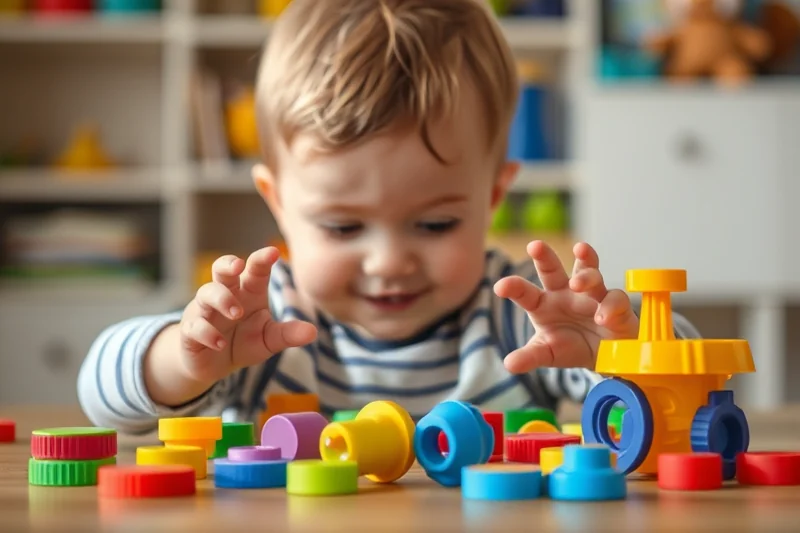
At this stage, your child is more aware of their body and may be able to follow simple directions. I found that consistency was crucial. We set a routine — using the potty after meals and before bedtime — and we made it a game. I used a sticker chart with stars for each time she tried to use the potty. Once she had 10 stars, we would do something fun like a trip to the park.[4]
I also made sure to praise her every time she tried, even if she didn’t make it. I said things like, 'Wow, I’m so proud of you for trying!' This helped build her confidence. However, I also made sure to avoid punishing her if she had an accident. I believe that negative reinforcement can make the process more stressful for both you and your child.
It’s also important to be patient. Some kids take longer to become fully potty trained at this age, and that’s okay. I had to remind myself that every child is different and that my daughter would eventually get there at her own pace.
Consistency and encouragement are the keys to success during this stage.
Related: Budget potty training stage
Related: Easy potty training stage
Related: Quick potty training stage
Related: Potty training by age stage ideas
Related: Diy potty training by age stage
Age 3–4 Years: Transitioning to Big Kid Independence
At this age, your child is likely able to use the potty on their own, but they may still need reminders. I found that a big kid potty or a toilet seat was a great way to help them transition. I also made sure to be available to assist them when they needed it, but I encouraged them to try on their own as much as possible.
I also started involving my daughter in the process. I let her choose her own potty training underwear and stickers, which gave her a sense of ownership. I used a reward system that worked for her — sometimes it was a sticker chart, other times it was a small treat or a fun activity.
This stage is also when accidents can become more frequent, especially if your child is going through a developmental change or has a stressful event in their life. I found that staying calm and not getting frustrated was the most important thing. I reminded myself that this was just a phase and that she would eventually master it.
Letting your child choose their potty training items can help them feel more involved and excited about the process. I let my daughter pick her own stickers, and it made a big difference in her motivation.
“When my daughter turned two and started saying 'pee-pee' with a mix of curiosity and determination, I knew it was time to tackle potty training.”— Pottydays editors
Age 4 and Beyond: Strengthening Independence
At this age, your child is likely fully potty trained, but it’s important to continue reinforcing good habits. I made sure to continue praising her for using the potty and for staying dry. I also made sure to avoid making the process feel like a task. I let her know that using the potty was just a part of being a big kid, and that I was proud of her for being so independent.
I also made sure to keep the potty training routine consistent. We still used the potty after meals and before bedtime, even if she didn’t need it. This helped reinforce the habit and made it feel like a normal part of the day. I also made sure to be available to assist her if she needed help, even if she was capable of using the potty on her own.
It’s also important to remember that accidents can still happen, especially if your child is going through a developmental change or has a stressful event in their life. I found that staying calm and not getting frustrated was the most important thing. I reminded myself that this was just a phase and that she would eventually master it.
Tailoring the Approach to Your Child’s Personality
Tailoring the potty training process to your child’s personality is crucial. If your child is shy, a more gentle and quiet approach may work better than a loud and exciting one. If your child is highly active, they may benefit from a more hands-on and interactive approach. I found that understanding my daughter’s personality and adapting the process to fit her made a big difference.
I also found that consistency was key. Even if my daughter was excited about the process, I made sure to keep the routine the same. This helped her feel more secure and made the process more predictable. I also made sure to be patient and not get frustrated if she didn’t make progress as quickly as I expected.
I also made sure to communicate with my daughter about the process. I let her know that it was okay if she had an accident and that I was still proud of her for trying. I found that this helped her feel more confident and motivated to continue the process.
⭐ Classic
The traditional potty training approach, using a small potty, stickers, and a routine.
💰 Budget
A cost-effective version using items you already have at home, like old stickers and a plastic container.
⚡ Extra-Fast
A quicker approach that focuses on consistency and using a big kid potty immediately.
✨ Depth
A more in-depth approach that involves reading books, using a variety of rewards, and a more personalized routine.
🥗 Light
A simpler, more flexible approach that doesn’t rely on a strict routine or rewards.
| The mistake | Why it happens | The fix |
|---|---|---|
| Starting too early | Starting potty training before your child is ready can lead to resistance and frustration. | Wait until your child shows signs of readiness, such as staying dry for a few hours at a time and being able to follow simple instructions. |
| Using too many rewards | Over-relying on rewards can make your child dependent on them and may not encourage long-term independence. | Use rewards sparingly and focus on praise and encouragement instead. |
| Forcing the process | Forcing your child to use the potty can lead to resistance and may make the process more stressful. | Be patient and let your child take the lead. Make the process fun and involve them in the decision-making. |
| Punishing accidents | Punishing your child for accidents can make the process more stressful and may damage the parent-child relationship. | Stay calm and remind your child that accidents are normal and that you're still proud of them for trying. |
What You'll Need tap to check off
- 1 lb Stickers (various themes and colors)
- ½ cup Glue sticks
- Clear plastic storage container (for stickers)
Method tap a step when done
- Gather all the stickers and glue sticks you want to use for the potty training kit.
- Choose a clear plastic storage container that is large enough to hold all the stickers and glue sticks.
- Place the stickers into the container, making sure they are organized by theme or color.
- Add the glue sticks to the container as well, so they are all in one place.
- Seal the container and label it as 'Potty Training Sticker Kit.'
- Store the kit in a place that is easily accessible to your child, such as the bathroom or playroom.
Key Facts
Best Potty Training By Age Stage
Common Questions
At what age should I start potty training?
How long does potty training usually take?
What should I do if my child is resistant to using the potty?
Should I punish my child for accidents?
References
- Development Signs in Healthy Toddlers in Different Stages of Toilet ... (pmc.ncbi.nlm.nih.gov)
- Toilet training - Wikipedia (en.wikipedia.org)
- How To Potty Train: Our Best Potty Training Tips (health.clevelandclinic.org)
- Potty training: How to get the job done - Mayo Clinic (mayoclinic.org)
- POTTY Definition & Meaning - Merriam-Webster (merriam-webster.com)
Cite this guide
Pottydays (2026). Best Potty Training By Age Stage. https://pottydays.com/best-potty-training-by-age-stage/
Feel free to cite or share this guide.