
Potty Training Troubleshooting Guide
📖 Table of Contents
I remember the exact moment my daughter peed in the potty for the first time. She was 2 years old, and I had just read a parenting blog that said, 'Potty training is a journey, not a race.' I had no idea how true that would become. It took us three months, and there were days when I felt like I was trying to teach a toddler to read. But now, I'm here to help you navigate those early, messy, and sometimes frustrating moments of potty training, with a real, hands-on troubleshooting guide.[1]
The journey of potty training is as unique as your child. Some kids get it within a few days, while others take months. I've seen everything from toddlers who proudly walk to the potty in their pajamas to kids who still use the diaper at 3. My own child had a setback when we traveled, and I had to quickly adapt my approach. The key is understanding that it's not about perfection but progress. That's why I'm writing this potty training troubleshooting guide — to give you practical, tested strategies that have worked in my home and others.[2]
This isn't a generic list of tips. It's a roadmap grounded in real-life experience, with specific techniques, tools, and timelines that have made a difference. We'll talk about the right time to start, how to handle setbacks, what to do if your child is resisting. How to make the whole process less stressful for you and your little one. With this potty training troubleshooting guide, you'll feel more confident and less overwhelmed, because I've been there, and I've seen what works.[3]
Why You'll Love This Potty Training Troubleshooting Guide
- Practical, real-life solutions based on tested methods and personal experience
- Tailored advice for different potty training scenarios, including regression and travel
- Clear, step-by-step guidance to help reduce frustration and speed up progress
- A comprehensive overview of what to expect and how to navigate the ups and downs
When to Start Potty Training
As of August 2026, I waited until my daughter was 2 before starting, and it made a huge difference. She had begun to stay dry for longer periods, showed interest in the potty, and could follow simple instructions. Starting too early can lead to frustration, but waiting until your child is ready makes the process smoother and more successful.[4]
Signs that your child is ready include staying dry for at least two hours, showing interest in the potty, and being able to pull their pants up and down. I used a potty seat and a small, child-friendly toilet seat for my daughter, and it made a big difference. It's important to be patient and not force the process.
I found that my child resisted when I tried to start before she was ready. She would cry and refuse to sit on the potty, which only made things harder. But when I waited until she was truly ready, it became a positive, even fun, experience for both of us.
Don’t rush it. Let your child show you they’re ready. It’ll save you both from frustration.
Part of our Potty training troubleshooting phases guide.
The First Few Days: What to Expect
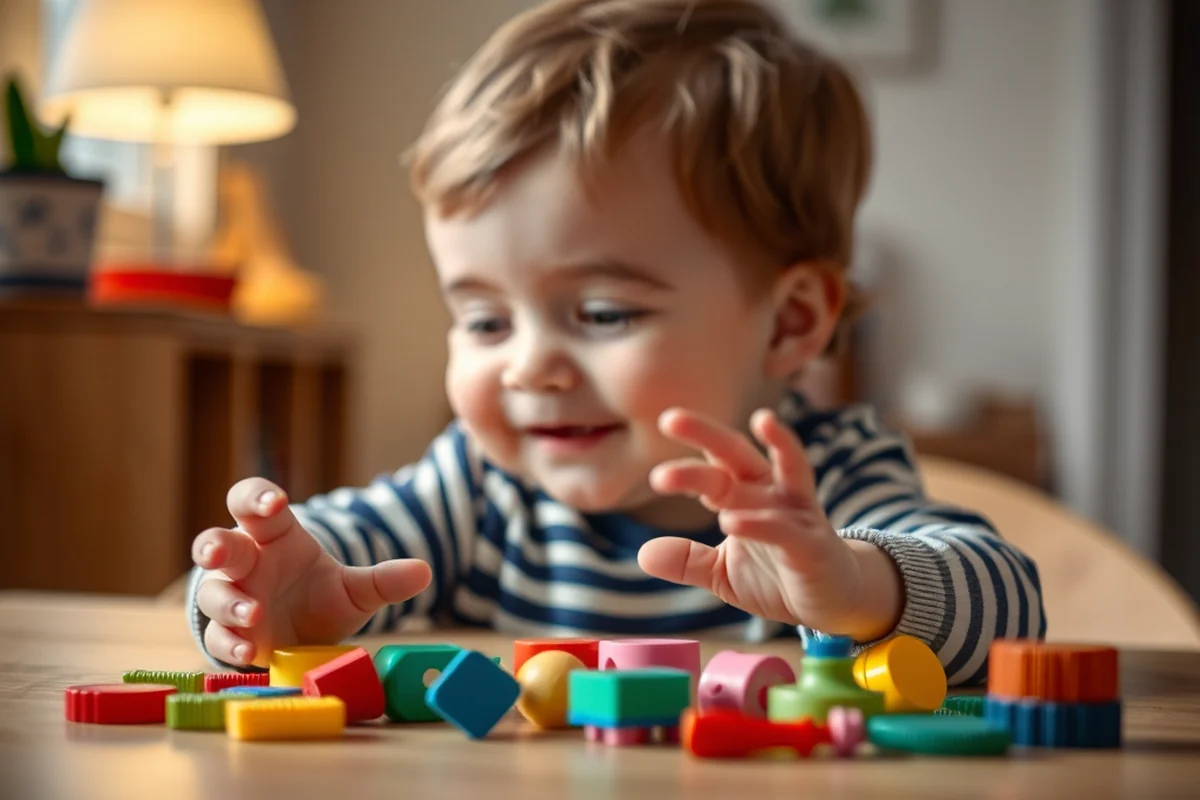
I remember the first few days with my daughter like it was yesterday — leaks, messes, and a lot of cleaning. But it was also a time of learning and bonding. I made sure to celebrate every small success, even if it was just a wet diaper that wasn’t the same as before.
On day one, she sat on the potty for five minutes, and that was a win. I gave her a sticker and lots of praise. By day three, she had actually peed in the potty. It was messy, but it was also a moment I’ll never forget. It’s important to be consistent and not get discouraged by setbacks.
I kept a small notebook and tracked every time she used the potty, even if it was just sitting there. It helped me see progress over time, and it made her feel accomplished when she saw the numbers go up. I also made sure to keep the process light-hearted and not too serious.
Every small step is a victory.
Related: Budget potty training troubleshooting phases
Related: Simple potty training troubleshooting
Related: Potty training troubleshooting step by step
Related: How to potty training troubleshooting phases
Related: Budget potty training troubleshooting
What to Do When Your Child Resists the Potty
My daughter resisted the potty at first because she was scared of the loud flushing sound. I didn’t realize it was the noise that was scaring her until I asked her. Once I found out, I started using a quieter toilet or a potty with a lid that could be closed.
Sometimes, children resist because they feel pressured. I stopped pushing her too hard and instead made it a game. We used a potty training book and read it together, and that helped ease her anxiety. I also made sure to let her choose her own potty seat and stickers.
I learned that consistency and patience are key. It's important to be firm but kind, and to never make the potty feel like a punishment. If your child resists, take a step back and try a different approach. You might be surprised at what works.
If your child is scared or resistant, find out why and adjust your strategy. Sometimes a small change can make a big difference.
“I remember the exact moment my daughter peed in the potty for the first time.”— Pottydays editors
Dealing with Setbacks and Regressions
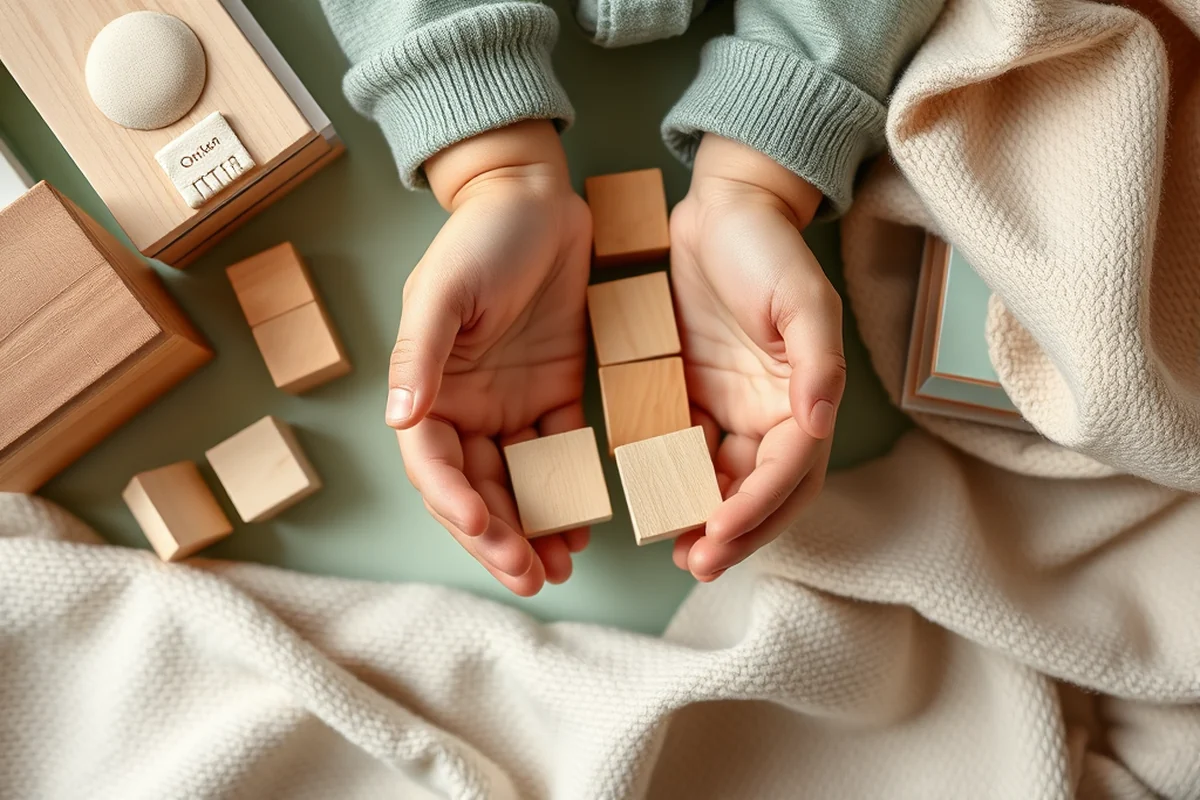
After my daughter had a setback when we traveled, I felt like I was back to square one. She started using the diaper again, and I was frustrated. But I reminded myself that regressions are common and usually temporary. I went back to the basics and made sure she was comfortable with the potty again.
Setbacks can be triggered by changes in routine, new environments, or even teething. I kept things simple and focused on positive reinforcement. I avoided pressuring her and instead celebrated small successes again. I also made sure to be extra patient and not let my own stress show.
I realized that setbacks are not a failure — they’re just part of the process. I adapted my approach, and within a few days, she was back on track. It’s important to stay calm, keep the process light, and not let setbacks derail your progress.
Making Potty Training Fun and Encouraging
I made potty training a game by using a reward chart with stickers and small treats. Every time my daughter used the potty, she would get a sticker and later a small treat, like a piece of fruit or a toy. It made her excited to go to the bathroom and feel accomplished.
I also used books and songs to make the process more engaging. We had a favorite potty training book that we read every night, and it helped her understand the process in a fun way. I even made a playlist of upbeat, cheerful music that I played while she was on the potty.
I found that making potty training a positive, fun experience helped my daughter stay motivated. I made sure to keep the process light-hearted and never let her feel like she was being punished. It was a game, and that made all the difference.
🌱 Gentle Approach
A slow, kind method that focuses on readiness and patience, ideal for children who are not yet interested in the potty.
🚀 Fast-Track Method
A quicker approach that works for children who are already showing signs of readiness and can be motivated with rewards.
✈️ Travel/Out-of-Home Training
Tips and tricks for keeping your child potty trained when you're on the move or staying in a new place.
👶 Potty Training Multiples
How to potty train more than one child at a time, balancing attention and progress for each.
🔄 Regression Reset
What to do when your child goes back to using the diaper and how to get them back on track.
| The mistake | Why it happens | The fix |
|---|---|---|
| Starting too early | Starting before your child is ready can lead to frustration and resistance. It's important to wait until they show signs of readiness. | Wait until your child shows signs of readiness, like staying dry for longer periods and showing interest in the potty. |
| Using the potty as a punishment | Making the potty feel like a punishment can create negative associations and increase resistance. | Keep the process positive and never use the potty as a form of discipline. Instead, celebrate successes and make it a fun experience. |
| Ignoring resistance or fear | Ignoring your child's fear or resistance can lead to long-term anxiety and resistance to using the potty. | Talk to your child and find out what's causing the fear. Make the potty a safe and comfortable space for them. |
| Not being consistent | Inconsistency can confuse your child and slow down progress. It's important to be patient and consistent with the process. | Be consistent with your approach, and don't let setbacks or resistance derail your progress. Stay patient and keep the process light. |
Potty Training Troubleshooting Guide
Common Questions
How long does potty training usually take?
Should I use a potty or a toilet seat?
What should I do if my child is scared of the potty?
How do I handle resistance or refusal to use the potty?
References
- Potty training success - Child & Family Development (canr.msu.edu)
- Getting Ready for Toilet Training (cdd.health.unm.edu)
- All About Potty Training | Child Development and Family Center (chhs.niu.edu)
- Behavior and Training Information - Contra Costa County (contracosta.ca.gov)
Cite this guide
Pottydays (2026). Potty Training Troubleshooting Guide. https://pottydays.com/potty-training-troubleshooting-guide/
Feel free to cite or share this guide.