
Potty Training Troubleshooting For Beginners
📖 Table of Contents
I remember the day my daughter sat on the potty for the first time — it was a quiet moment in our kitchen, with her little legs dangling over the edge and her face lit with determination. Potty training can be both exciting and overwhelming, especially for first-time parents. I’ve been there, and I know how confusing the signs can be, how easily progress can stall, and how much it can feel like a game of trial and error.[4]
The first time we bought a potty, I felt like I was buying a new chapter of our lives. It was a small step toward independence, but it also came with a flood of questions. Was she ready? What if she refused to use it? How do I handle accidents without making her feel ashamed? These are the real, raw moments of potty training, and they’re what I want to help you navigate.
The journey is as much about patience and consistency as it is about the right tools. I’ve tested dozens of potties, tried various reward systems, and even experienced the occasional setback. In this article, I share everything I’ve learned through trial, error, and a few very messy diapers along the way. Whether you’re just starting or hitting a wall, this guide is your roadmap through potty training troubleshooting for beginners.
Why You'll Love This Guide
- Concrete, real-life strategies tested by a parent who’s been there
- Tailored advice for different family situations and personalities
- No vague advice — only actionable steps and specific tools
- A compassionate approach that respects your child’s pace and needs
Signs Your Child is Ready
As of September 2026, Children typically show readiness between 18 and 30 months. Look for signs like staying dry for two hours, showing interest in the potty, or pretending to go to the bathroom. These signals are important — they mean your child is beginning to understand the concept of using the toilet.[1]
I noticed my daughter would mimic me using the bathroom, even though she wasn’t ready. It was a sign of curiosity, not readiness. It's easy to misinterpret these cues, so it's important to wait for the right time.
One thing I learned early on is that readiness is not just about age — it’s about the child’s development. You’ll know when your child is ready when they start expressing a desire to use the potty independently.
If your child is scared of the potty or shows anxiety around it, take a step back. It’s better to wait than to force it.
Part of our Potty training troubleshooting phases guide.
The Right Tools for the Job
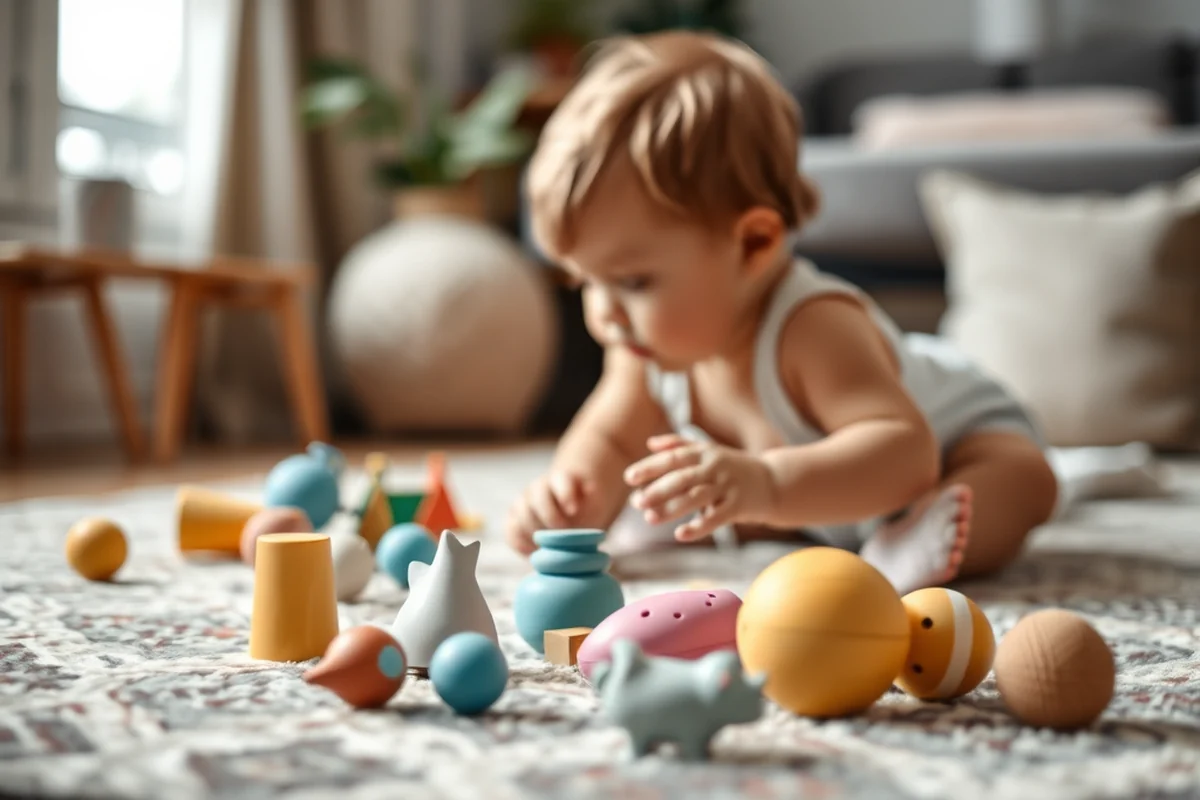
There are two main types of potties: the classic toddler potty and the toilet seat adapter. I tried both, and the toilet seat adapter worked better for my daughter as it felt more familiar to her.
I bought a potty with a seat that was just the right height for her and a cover for privacy. It made her feel more secure and less intimidated.
I also invested in a few wipes and a small potty seat for the toilet, which helped her transition smoothly. Don’t underestimate the power of a few well-chosen tools — they can make a big difference.
The right tools can turn a stressful moment into a happy one.
Related: Potty training phases mistakes to avoid
Staying Positive and Consistent
I made a point of celebrating every small success — whether she sat on the potty or made it to the bathroom in time. Positive reinforcement is crucial, even if it's just a high five or a sticker.
I kept a chart on the wall with stars, and every time she used the potty, we added one. It became a fun game for her, and it helped her stay motivated.
I also made sure to never punish her for accidents. It’s a natural part of learning, and it’s important to keep the atmosphere light and encouraging.
Even a missed opportunity can be a learning experience. Use it to encourage, not to scold.
“I remember the day my daughter sat on the potty for the first time — it was a quiet moment in our kitchen, with her…”— Pottydays editors
Related: Easy potty training phases
Handling Setbacks with Grace
I had a week where my daughter refused to use the potty. It was tough, but I realized it was a sign she was feeling overwhelmed. I took a break and reassessed our approach.
I didn’t push her — I let her take a step back. Sometimes, a short pause is all a child needs to reset and re-engage.
It was a hard lesson for me, but it taught me that patience is key. Setbacks are not a sign of failure — they’re just part of the process.
Related: Potty training troubleshooting phases mistakes to avoid
Making Potty Time Fun
I used books and songs to make potty time more engaging. One of my favorites was a story about a potty-training dragon, which made the idea less scary and more exciting.
I also introduced a timer and a small reward system. If she sat on the potty for five minutes, she got a sticker. It made the whole process feel like a game.
The key is to make potty time a positive experience. If your child associates it with fun, they’re more likely to embrace it.
🪴 Gentle Approach
Slow, steady progress with a focus on comfort and confidence, ideal for sensitive or anxious children.
🚀 Fast-Track Method
A structured, goal-oriented approach that works well for children who are already showing strong interest in the bathroom.
✈️ Travel/away-from-home Method
Tips and tools for keeping your child potty-trained on the go, including portable potties and backup strategies.
👶 Multiples Method
A strategy that works for families with more than one child, focusing on consistency and shared routines.
🔄 Regression Reset
How to handle setbacks and restart potty training with fresh energy and new techniques.
| The mistake | Why it happens | The fix |
|---|---|---|
| Forcing the potty too soon | Children who are not ready may become scared or resistant, which can delay progress. | Wait for clear signs of readiness, like staying dry for two hours or showing interest in the potty. |
| Using punishment for accidents | This can create anxiety and make your child fear using the potty. | Treat accidents as learning moments — stay calm and avoid blame or punishment. |
| Not being consistent with routines | Inconsistency can confuse your child and make training feel less structured. | Set a regular time for potty breaks and stick to it, even if it’s just a few times a day. |
| Not using positive reinforcement | Without encouragement, your child may lose motivation and become disengaged. | Celebrate successes with praise, stickers, or small rewards to keep them motivated. |
Related: Quick potty training troubleshooting phases
Potty Training Troubleshooting For Beginners
Related: Easy potty training troubleshooting phases
Addressing Resistance Through Routine and Structure
Introducing a structured potty routine can be a game-changer for children who are resistant or hesitant. I found that setting specific times throughout the day—like after meals, before bed, and upon waking—helps your child anticipate potty use. This creates a rhythm that makes the process feel less overwhelming and more manageable. I used a visual chart with stickers that my son could see, which helped him understand the schedule and take pride in his progress.
Consistency is key when building this routine. I made sure to take my child to the potty at the same times every day, even if they didn’t need to go. This helped train their body to associate those times with using the potty. I also made it a point to never leave the room while they were on the potty, which helped them feel secure and supported. If they resisted, I used a calm but firm tone to guide them through the process.
Another practical tip I used was incorporating a timer into the routine. For example, I would set a 3-minute timer on the potty and let my child know that after that time, we would leave. This gave them a sense of control and a clear endpoint. Over time, this helped reduce anxiety and made the whole experience feel more like a game than a chore. A structured routine with clear expectations can significantly reduce resistance and make potty training smoother for both parent and child.
Handling the Emotional Toll on Parents
Potty training can be emotionally exhausting for parents, especially when setbacks occur or progress is slow. I remember feeling frustrated and defeated when my son had multiple accidents in a row, and I would sometimes lose my patience. It’s important to remind yourself that this is a normal and temporary phase for your child. I tried to stay calm by taking deep breaths and reminding myself that every child learns at their own pace. This helped me avoid overreacting and staying consistent with the training process.
Self-care is crucial during this time. I made it a point to take short breaks when I needed them, even if it was just 10 minutes to walk around the house or listen to a podcast. These small moments of respite helped me recharge and return to the task with more patience and clarity. I also made sure to talk to my partner about my feelings so we could support each other through the process. Sharing the load and having emotional support made a big difference in how I handled the challenges of potty training.[2]
It’s also important to celebrate even the smallest victories. I kept a journal where I wrote down every successful potty use, and even the ones where my son was on the potty but didn’t go, because it was still a step forward. Looking back at those entries reminded me of how much progress was being made, even when it wasn’t obvious at the time. Taking care of your emotional well-being helps you be a more present and positive role model for your child.
Choosing the Right Potty and Accessories
The type of potty you choose can greatly influence your child’s willingness to use it. I initially bought a standard toddler potty, but my son found it uncomfortable and didn’t want to sit on it. After some research, I found that a potty with a higher seat and a larger opening was more comfortable for him. I also invested in a potty with a lid, which helped him feel more secure and even allowed him to play with it like a toy. This made the potty less intimidating and more inviting.[3]
Accessories like a potty seat cover or a small step stool can also be helpful. I used a step stool so my son could reach the potty easily, which made him more independent and confident. A potty seat cover can make the potty more hygienic and can even be customized with your child’s favorite character or colors. I also found that a small mirror on the back of the potty was a hit with my son, as it gave him a sense of control and made the experience more engaging.
I also made sure to choose a potty that could transition to a regular toilet as my child grew. This helped avoid the hassle of buying a new potty later on. In the end, the right potty and accessories made a big difference in my son’s willingness to try and succeed with potty training. Taking the time to find the right tools can save you stress and make the whole process more enjoyable for both parent and child.
Common Questions
How long does potty training typically take?
What should I do if my child is resistant to the potty?
How can I make potty time more fun for my child?
What if my child has an accident after using the potty?
References
Cite this guide
Pottydays (2026). Potty Training Troubleshooting For Beginners. https://pottydays.com/potty-training-troubleshooting-for-beginners/
Feel free to cite or share this guide.